Diabetic neuropathy
ICD codes: G63.2 What are ICD codes?
Diabetic neuropathy can occur if a person’s blood sugar level is permanently high. As a result of damage to the nerves, especially in the feet, they may experience pain or reduced sensitivity. This can be prevented by maintaining stable blood sugar levels.
At a glance
- Diabetic neuropathy is a common complication of diabetes.
- Elevated blood sugar levels over an extended period of time, as well as other disturbances of the body’s metabolism gradually damage the nerves.
- Typical symptoms include pain, burning or prickling sensations (known as paresthesia) and numbness in the feet, and often also in the hands, lower arms and lower legs.
- Organs may also be affected by the nerve damage. In this case, the person may experience gastrointestinal or cardiovascular problems.
- Diabetic neuropathy cannot be cured. However, it can be prevented and its progression can be slowed.
Note: The information in this article cannot and should not replace a medical consultation and must not be used for self-diagnosis or treatment.


What is diabetic neuropathy?
Doctors use the term diabetic neuropathy to refer to various symptoms related to nerve damage caused by diabetes.
In diabetic neuropathy, the nerves of the peripheral nervous system are damaged. These are the nerves located outside of the brain and spinal cord.
They include the nerves responsible for sensitivity and movement. When the nerves are damaged, the person’s ability to feel touch, pain and temperature changes is impaired. This is known as sensorimotor neuropathy. There may also be signs of paralysis.
Diabetic neuropathy can also affect the autonomic nervous system, the component of the peripheral nervous system that controls organ functions. This type of autonomic neuropathy often affects the gastrointestinal tract, the cardiovascular system, the urinary tract and the sex organs.
What are the symptoms of diabetic neuropathy?
If the nerves that control sensitivity and movement are damaged, this typically causes pain, tingling and burning sensations and numbness in the feet. The hands, lower arms and lower legs are frequently also affected.
Pains are often worse at night than during the day. They may make even the touch of a bed cover or socks difficult to bear. Pain and numbness may also cause difficulties with walking and make people fall more easily.
Symptoms of damage to the nerves responsible for organ functions include:
- low blood pressure
- a dazed feeling
- difficulty swallowing
- nausea
- constipation
- diarrhea
- difficulty emptying the bladder
- extreme sweating
- erectile dysfunction
Almost half of all people with diabetic neuropathy don’t experience pain and discomfort. However, their nerve sensitivity and muscle reflexes may still be damaged or lost. They also often have an unsteady gait and are more prone to falls. In addition, they may not notice foot injuries because they don’t cause pain.
Important: Many people with diabetes learn to recognize the warning signs of low blood sugar, such as sweating, shaking, heart palpitations or a ravenous appetite. However, this doesn’t work for everyone and may be more difficult for those with neuropathy.
What causes diabetic neuropathy?
The nerve damage that occurs in diabetic neuropathy is caused by a number of factors. A major factor is elevated blood sugar levels over a prolonged period.
In people with type 2 diabetes, impaired functioning of the body’s lipid metabolism also contributes to the development of diabetic neuropathy.
How common is diabetic neuropathy?
Diabetic neuropathy is one of the most frequent complications of diabetes mellitus.

Around half of those with type 1 and type 2 diabetes will develop neuropathy over the course of their lives. The risk increases as the disease progresses. Poor control of blood sugar levels also makes nerve damage more likely.
What are the potential consequences of diabetic neuropathy?
People with diabetic neuropathy are susceptible to foot infections and ulcers. Sometimes, ulcers and injuries go unnoticed and aren’t treated promptly because they don’t cause any pain.
Damage to bones and joints may also occur as a result of diabetic neuropathy. This may even lead to the foot having to be amputated.
How can diabetic neuropathy be prevented?
The following three things are most important in the prevention of diabetic neuropathy:
- stable blood sugar levels
- healthy eating
- regular exercise

People who avoid smoking and excessive alcohol consumption reduce their risk of complications.
How is diabetic neuropathy diagnosed?
People with diabetes should visit their doctor regularly. Routine examinations can help detect diabetic neuropathy at an early stage.
During these examinations, the doctor asks about symptoms such as pain and numbness and examines the hands and feet. Warm and dry feet as well as injuries or ulcers are indicators of neuropathy.
During the examination, the doctor also checks whether the patient can feel very light touches and vibrations and whether the muscle reflexes are working properly. A weak Achilles tendon reflex, for example, may indicate nerve damage. If neuropathy is suspected, the doctor will also test for sensitivity to pain and cold.
The doctor will also ask about specific symptoms, such as a dazed feeling or gastrointestinal issues.
Additional tests are sometimes required, for example, if the patient has atypical symptoms or for the purpose of ruling out other conditions. These may include a blood test or an echocardiogram.
How is diabetic neuropathy treated?
Diabetic neuropathy cannot be cured. Therefore, the goal of treatment is to slow the progression of the disease and to prevent complications such as foot ulcers.
Ensuring the best possible management of blood sugar to maintain a stable blood sugar level is important to prevent diabetic neuropathy from developing for as long as possible – especially in those with type 1 diabetes.
People with type 2 diabetes develop diabetic neuropathy more rarely. Those with this type of diabetes should do their best to eat a healthy diet and get plenty of exercise in order to normalize their blood fat, blood pressure, weight and blood sugar.
Pain is often relieved with medication normally used to treat depression and epilepsy. These prevent pain signals from being sent to the brain and may help those with diabetic neuropathy.
What can help to make everyday life with diabetic neuropathy easier?
People with diabetic neuropathy should check their feet daily and pay particular attention to dry or torn skin, as well as to inflamed, red patches of skin between the toes and nails. This is important for the early detection of ulcers, skin infections and injuries.
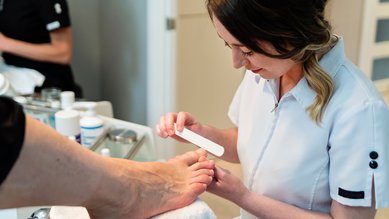
If this is difficult for the person to do for themselves, they can ask a loved one to help or have their feet checked and cared for by a professional foot specialist on a regular basis.
It’s also important for people to keep their independence. Physiotherapy can help to improve physical fitness and prevent falls and injuries. Occupational therapy can help people find solutions to physical limitations.
People can also improve their safety at home and reduce the risk of falling around the house – for example, by installing handles in the bath or night lights to help them find their way around their home.
Injuries can also be caused by excessively hot water. To prevent this, people with diabetic neuropathy can use their elbow to check the temperature of the water before getting into the shower or bath.
- Bodman M, Varacallo M. Peripheral Diabetic Neuropathy [Updated 2021 July 26]. In: StatPearls [Internet]. Treasure Island (FL): StatPearlsPublishing; 2022 Jan-. Aufgerufen am 10.01.2022.
- Bundesärztekammer, Kassenärztliche Bundesvereinigung, Arbeitsgemeinschaft der Wissenschaftlichen Medizinischen Fachgesellschaften. Nationale VersorgungsLeitlinie. Neuropathie bei Diabetes im Erwachsenenalter. 1. Auflage, Version 5. AWMF-Registernummer nvl-001e. 06.2016.
- DynaMed (Internet), Ipswich (MA). Diabetic Peripheral Neuropathy. EBSCO Information Services. Record No. T115259. 2018 (1995). Aufgerufen am 10.01.2022.
- UpToDate (Internet). Epidemiology and classification of diabetic neuropathy. Wolters Kluwer 2021. Aufgerufen am 10.01.2022.
- UpToDate (Internet). Management of diabetic neuropathy. Wolters Kluwer 2021. Aufgerufen am 10.01.2022.

In cooperation with the Institute for Quality and Efficiency in Health Care (Institut für Qualität und Wirtschaftlichkeit im Gesundheitswesen – IQWiG).
As at: