Falls in older people – the importance of staying active
Many older people worry about the possibility of having a fall. However, moving less is not the right way to prevent falls because people who stop being physically active are actually at an increased risk of having a fall. It is important to identify and eliminate possible causes of falls in everyday life.
At a glance
- Many older people worry about having a fall and losing their independence because of an injury.
- However, most falls are minor in nature – even among those in senior age – and don’t cause any health problems.
- People who stop being active due to worries or fears about having a fall are at a higher risk of falls than those who remain active daily.
- It is important to identify and eliminate possible causes of falls in everyday life.
- Movement training can help keep people as mobile as possible and avoid falls.
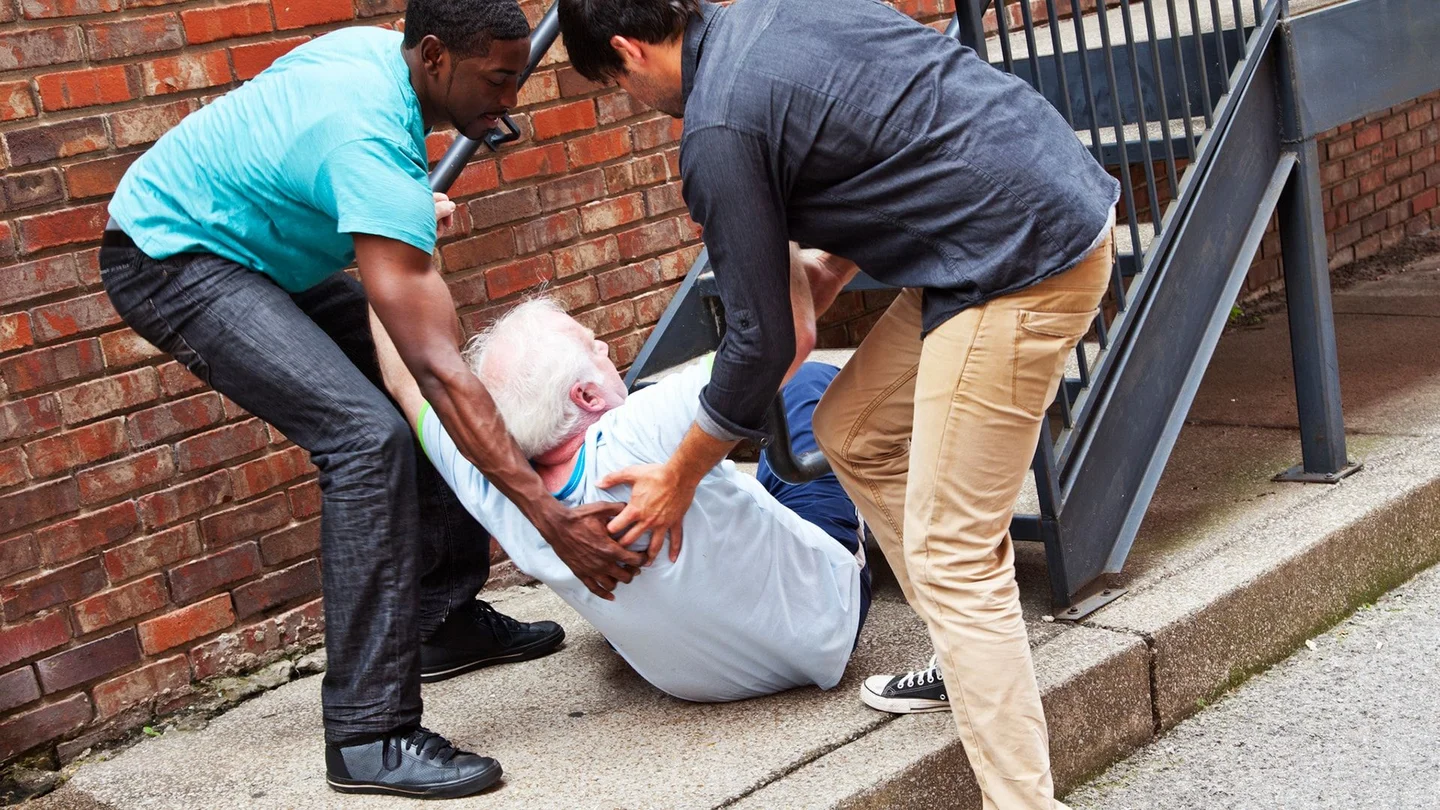
What do falls in old age mean?
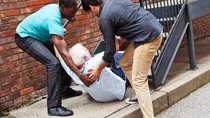
People in senior age often worry about having a fall and suffering a serious injury, leading them to become dependent on others for care. While this fear is completely understandable, people who are less physically active due to anxiety about the risk of a fall may actually increase their likelihood of having a fall. Those who are less active are at a higher risk than those who exercise on a daily basis – for example, by walking regularly.
To prevent a fall, it is important to identify hazards in everyday life and eliminate them if possible. Movement training can help keep people as mobile as possible. It is also important to treat any illnesses that make falls more likely to occur. The ideal measures depend in particular on someone’s personal state of health.
What are the causes of falls in old age?
Falls can occur due to health problems. Examples include visual impairments, muscle weakness in the legs and dizziness due to low blood pressure. Certain illnesses can also affect a person’s sense of balance. Some medication – taken alone or in combination with other drugs – can increase the risk of a fall. Examples include certain sedatives and medication to lower blood pressure. Alcohol consumption can also increase the risk of a fall.
Obstacles and tripping hazards in someone’s own home or in the immediate vicinity can cause them to have a fall. Carpet edges that are sticking up, loose cables, door steps and sills and slippery floors and bathmats are especially hazardous. Wearing shoes that don’t fit properly can also result in a fall.
For example, walking over a slippery hardwood floor in socks to go to the toilet can increase the risk of a fall.
Moreover, anyone who has already experienced a fall is at a higher risk of having another. However, there are measures that can be taken to reduce this risk.
How common are falls in old age?
It is estimated that around 30 percent of people who are aged over 65 and live at home experience a fall once a year. This figure is 50 percent for people who reside in care facilities. However, most falls among those aged over 65 are minor in nature and have no effect on their health.

What are the consequences of falls in old age?
Most falls simply cause a bruise or a graze. Injuries such as broken bones, cuts or head injuries occur in around 5 to 10 percent of falls at home, with the bones of the forearm being affected in most cases. Hip or thigh fractures can lead to serious complications and impairments. Longer stays in hospital may be required in such cases.
For people of an advanced age, having a fall with serious consequences increases the risk of becoming dependent on someone else for care.
How can falls in old age be prevented?
Various precautionary measures can be taken to prevent falls. Some of these are relatively easy to implement. For example, people can check their own homes for tripping hazards. These should be removed – perhaps with the help of relatives or friends. Occupational therapists can also offer support.

The question of what other measures are useful depends on the person’s individual circumstances and state of health.
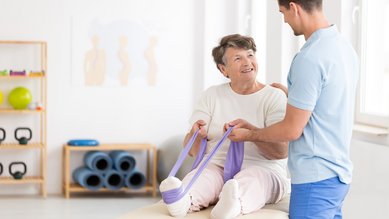
Exercise programs, walking aids or new glasses to improve vision can all help prevent falls. In some cases, it may be useful to attend therapy for certain health problems (that may, for example, cause an unsteady gait) or to stop taking medication that causes dizziness.
Important: With all the measures and advice, it is important not to get too anxious in day-to-day life. Most falls are minor.
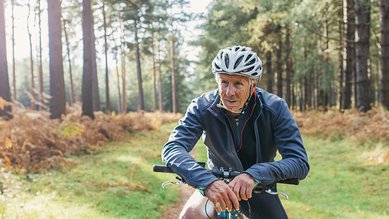
Those who stay active also protect themselves from falls. For older people in particular, it is good to be physically mobile – and this also helps them hold onto their independence as much as possible.
Video How can the elderly prevent falls?
The video below explains what elderly people can do to prevent falls during everyday life.
This and other videos can also be found on YouTube
Watch nowThe privacy policy indicated there applies.
You can find more information on the topic of what older people can do to prevent falls at gesundheitsinformation.de.
- Cameron ID, Dyer SM, Panagoda CE et al. Interventions for preventing falls in older people in care facilities and hospitals. Cochrane Database Syst Rev 2018; (9): CD005465. doi: 10.1002/14651858.cd005465.pub4.
- Gillespie LD, Robertson MC, Gillespie WJ et al. Interventions for preventing falls in older people living in the community. Cochrane Database Syst Rev 2012; (9): CD007146. doi: 10.1002/14651858.CD007146.pub3.
- Moreland B, Kakara R, Henry A. Trends in Nonfatal Falls and Fall-Related Injuries Among Adults Aged >/=65 Years - United States, 2012-2018. MMWR Morb Mortal Wkly Rep 2020; 69(27): 875-881. doi: 10.15585/mmwr.mm6927a5.
- Nickens H. Intrinsic factors in falling among the elderly. Arch Intern Med 1985; 145(6): 1089-1093.
- Oliver D, Connelly JB, Victor CR et al. Strategies to prevent falls and fractures in hospitals and care homes and effect of cognitive impairment: systematic review and meta-analyses. BMJ 2007; 334(7584): 82. doi: 10.1136/bmj.39049.706493.55.
- Reuben DB, Ganz DA, Roth CP et al. Effect of Nurse Practitioner Comanagement on the Care of Geriatric Conditions. J Am Geriatr Soc 2013; 61(6): 857-867. doi:10.1111/jgs.12268.
- Rubenstein LZ, Josephson KR. The epidemiology of falls and syncope. Clin Geriatr Med 2002; 18(2): 141-158. doi: 10.1016/s0749-0690(02)00002-2.
- Rubenstein LZ, Josephson KR. Falls and Their Prevention in Elderly People: What Does the Evidence Show? Med Clin North Am 2006; 90(5): 807-824. doi: 10.1016/j.mcna.2006.05.013.
- Sherrington C, Fairhall N, Kwok W et al. Evidence on physical activity and falls prevention for people aged 65+ years: systematic review to inform the WHO guidelines on physical activity and sedentary behaviour. Int J Behav Nutr Phys Act 2020; 17(1): 144. doi: 10.1186/s12966-020-01041-3.

In cooperation with the Institute for Quality and Efficiency in Health Care (Institut für Qualität und Wirtschaftlichkeit im Gesundheitswesen – IQWiG).
As at: