Drop in blood pressure when standing up (orthostatic hypotension)
ICD codes: I95.1 What are ICD codes?
People who have orthostatic hypotension experience a sudden drop in blood pressure when they stand up from a sitting or lying position. This can lead to dizziness, feeling weak and fainting. Various treatment options are available depending on the cause and severity of the condition.
At a glance
- Orthostatic hypotension refers to a sudden drop in blood pressure when standing up.
- This specific type of low blood pressure mostly occurs in older people.
- It can be a side-effect of medication or an accompanying symptom of a chronic illness, such as Parkinson’s disease, dementia or diabetes.
- In some cases, however, the cause of orthostatic hypotension remains unclear.
- Certain measures, such as standing up slowly or wearing support stockings, can stabilize blood pressure.
- Medication can help if the symptoms are particularly severe.
Note: The information in this article cannot and should not replace a medical consultation and must not be used for self-diagnosis or treatment.
What is orthostatic hypotension?
Orthostatic hypotension (also called postural hypotension) is a specific type of low blood pressure (hypotension), in which a person’s blood pressure drops significantly shortly after standing up after being in a sitting or lying position. “Orthostatic” is the medical term for standing upright.

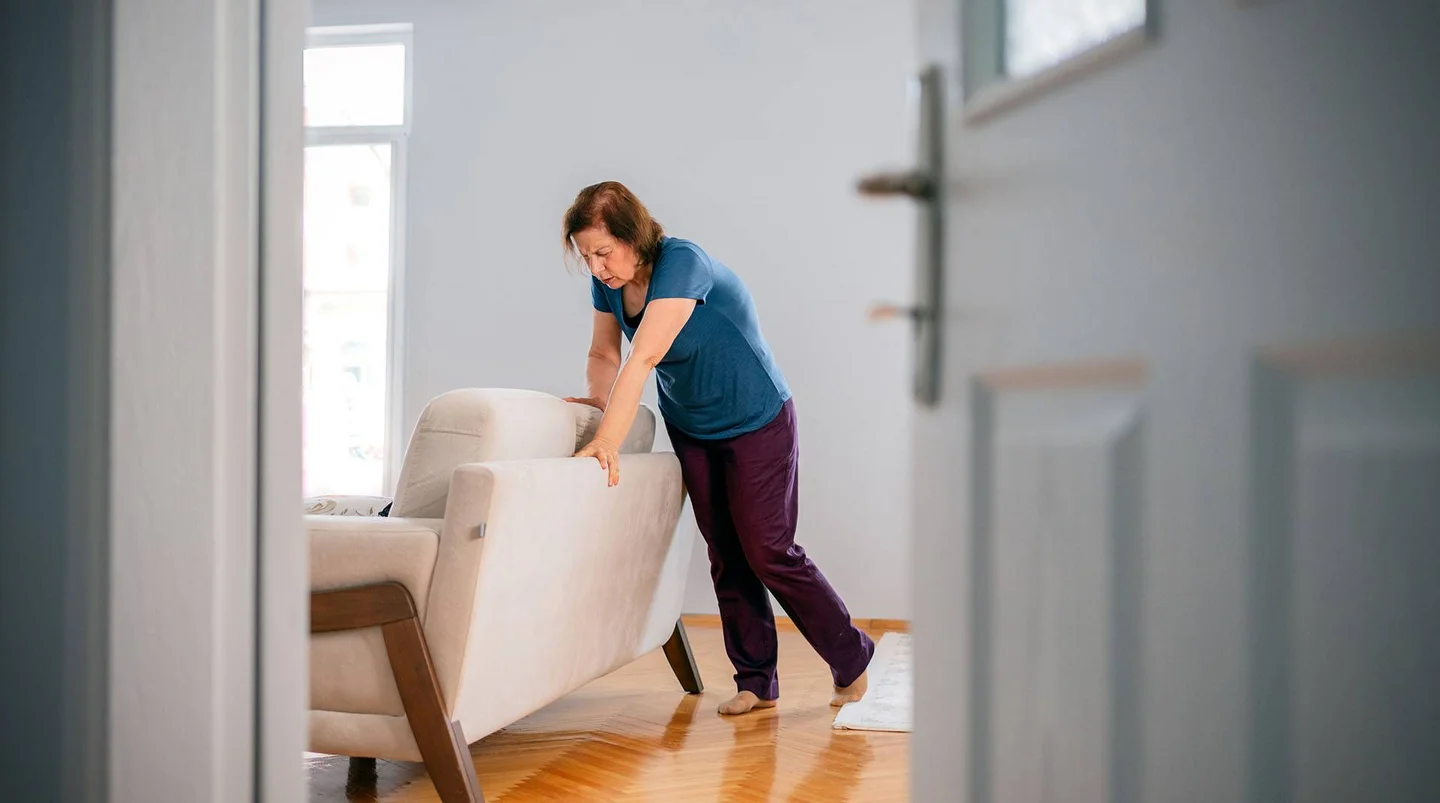
If blood pressure drops when standing up, this typically causes dizziness, impaired vision and a dazed feeling – sometimes to the point of fainting. These symptoms are quickly relieved by sitting or lying down, which can also help prevent loss of consciousness.
A drop in blood pressure when standing up may occur once only or may be chronic, i.e. occur again and again over time.
In most cases, orthostatic hypotension mostly affects people over the age of 65. People of this age suffer illness more frequently and often take many different medications. They may experience a drop in blood pressure as a side-effect of these. Certain pre-existing illnesses may also cause this type of low blood pressure.
Some simple measures can often help to relieve dizziness and other symptoms. Doctors may also prescribe medication.
What are the symptoms of orthostatic hypotension?
People with orthostatic hypotension feel dizzy, drowsy or may even faint for a period of 30 minutes after they stand up out of a sitting or lying position.
Older people are also more likely to experience a sudden drop in blood pressure between 15 and 90 minutes after eating (postprandial hypotension).
People with orthostatic hypotension immediately feel better once they sit or lie back down again.
Other possible symptoms of this condition are impaired vision and, rarely, headaches or chest pain.
What are the causes of orthostatic hypotension?
In orthostatic hypotension, regulation of the blood pressure is impaired, so that it drops suddenly after standing up.
There are various reasons why this may happen, all of which have the same outcome – gravity causes an excessive amount of blood to collect in the lower part of the body, while there is insufficient blood flow to the upper half of the body and the brain.
This type of low blood pressure often occurs as part of various pre-existing illnesses.

The chronic, recurring form frequently occurs in conjunction with:
- cardiovascular diseases
- conditions associated with a loss of functioning of the nerve cells, such as Parkinson’s disease or certain types of dementia
- Blood pressure regulation is also frequently disrupted in people with diabetes.
Orthostatic hypotension can occur as a side-effect of taking medication to treat depression or high blood pressure for many years.
Consuming alcohol and drugs can also cause a drop in blood pressure after standing up.
What is the outlook for people with orthostatic hypotension?
Some people only experience orthostatic hypotension temporarily – in other words, they only experience dizziness and fainting a small number of times.
Other people repeatedly lose consciousness due to their blood pressure dropping when they stand up – leading them to experience falls and injuries.
If these incidents occur with increasing frequency, they can have serious physical effects and increase the risk of an accident.
How is orthostatic hypotension diagnosed?
Family doctors should be the first point of contact for people experiencing symptoms of orthostatic hypotension.
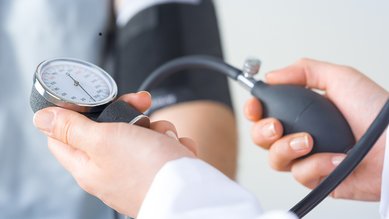
The doctor will ask about the typical symptoms and the patient’s medical history. They will then usually measure blood pressure and pulse in a lying and sitting position, as well as immediately after standing up and again around one minute later.
A specialist doctor may also perform a tilt table test, where blood pressure is measured under controlled conditions. During this test, the patient is secured with safety straps on a special table in a lying position. The table then slowly tilts until the person is in a standing position. Their blood pressure and pulse are measured several times in quick succession during the test.
How is orthostatic hypotension treated?
If orthostatic hypotension is caused by certain medication, switching to a different drug may need to be considered.
Certain steps can be taken to effectively avoid dizziness and fainting. These include:
- standing up slowly and in stages, especially in the morning
- certain exercises before standing up, such as contracting and relaxing the calf muscles
- avoiding physical exertion during hot weather
- wearing support stockings
- drinking plenty of fluids
- reducing consumption of foods with a high carbohydrate content, such as potatoes, white bread and white rice – especially if the drop in blood pressure occurs in connection with eating
If the symptoms are very severe and these measures fail to help (as can happen in a very small number of cases), treatment with medication may be considered.
Drugs that can reduce the symptoms include fludrocortisone. This active substance stabilizes blood pressure by regulating the body’s levels of water and sodium. Possible side-effects include water retention (edema), weight gain, headaches and gastrointestinal ulcers.
- Ringer M, Lappin S. Orthostatic Hypotension. (Updated 2021 July 21). In: StatPearls (Internet). Treasure Island (FL): StatPearls Publishing; 2021 Jan-. Aufgerufen am 19.02.2022.
- Dynamed (Internet), Ipswich (MA). Orthostatic Hypotension and Orthostatic Syncope. EBSCO Information Services. Record No. T114777. 2018 (1995). Aufgerufen am 19.02.2022.
- UpToDate (Internet). Mechanisms, causes and evaluation of orthostatic hypotension. Wolters Kluwer 2022. Aufgerufen am 19.02.2022.
- UpToDate (Internet). Treatment of orthostatic and postprandial hypotension. Wolters Kluwer 2021. Aufgerufen am 19.02.2022.

In cooperation with the Institute for Quality and Efficiency in Health Care (Institut für Qualität und Wirtschaftlichkeit im Gesundheitswesen – IQWiG).
As at: