Type 1 diabetes
ICD codes: E10 What are ICD codes?
People with type 1 diabetes need to inject themselves with insulin every day because their pancreas can no longer produce any of this essential hormone or can do so in small quantities only. Today, insulin therapy can be integrated flexibly into daily life.
At a glance
- Diabetes mellitus is a metabolic disease that affects many parts of the body.
- With type 1 diabetes, a person’s pancreas can produce very little insulin or none at all.
- Insulin is a hormone. It is transported through the blood and regulates important functions in the body.
- Without insulin, the body is not able to extract nourishment from food.
- People with type 1 diabetes need to take insulin every day.
- Insulin therapy can be adjusted to suit the needs of the individual.
Note: The information in this article cannot and should not replace a medical consultation and must not be used for self-diagnosis or treatment.
What is diabetes mellitus?
Diabetes mellitus is a metabolic disease that affects the body in many different ways. A distinction is made mainly between two types: type 1 and type 2 diabetes.
In people with type 1 diabetes, the body cannot produce sufficient insulin. In those with type 2 diabetes, the body is unable to utilize insulin sufficiently.
Insulin is a hormone. As a chemical messenger, insulin is transported through the blood and regulates important functions in the body. Without insulin, the body is not able to extract nourishment from the food a person eats.
Video What is type 1 diabetes?
The video below explains the possible symptoms, causes, and treatment methods of type 1 diabetes.
This and other videos can also be found on YouTube
Watch nowThe privacy policy indicated there applies.
What are the signs of type 1 diabetes?
Without proper treatment, blood glucose levels are permanently elevated in people with type 1 diabetes. This may not be noticed at the onset of the disease.
Typical symptoms are:
- increased urinary urgency
- strong thirst
- fatigue and listlessness
- nausea
- dizziness

When blood glucose levels are extremely elevated, a person may also experience impaired consciousness or even unconsciousness – a condition known as a diabetic coma.
Further information on the topic of hyper- and hypoglycemia in type 1 diabetes can be found at gesundheitsinformation.de.
What causes type 1 diabetes?
The cause of type 1 diabetes is almost always a reaction of the body’s own immune system. In more specific terms, this means that the immune system’s immune cells attack the cells that produce insulin.
These cells are called beta cells and are located in the pancreas. Over time, they become so severely damaged by these attacks that they are no longer able to produce insulin or they produce very little.
Type 1 diabetes is more prevalent in some families. A genetic predisposition increases the risk of disease.
It is not yet known to what degree other risk factors, such as certain infections or environmental factors, contribute to the development of the disease.
How common is type 1 diabetes?
In Germany, approximately 200,000 people have type 1 diabetes. This includes around 30,000 children and adolescents under the age of 19. Each year, approximately two out of 10,000 children are diagnosed with type 1 diabetes.

How does type 1 diabetes progress?
Type 1 diabetes typically begins in childhood or adolescence, or in early adulthood. For this reason, type 1 diabetes is also known juvenile diabetes. Older people very seldom suffer from it.
Untreated, type 1 diabetes can quickly cause problems. Severe hyperglycemia can trigger common symptoms such as thirst, increased urinary urgency, and paralyzing fatigue. Supplying the body with insulin alleviates these symptoms quickly.
Possible effects
If a person with type 1 diabetes does not receive proper treatment and the blood glucose level is consistently too high, their blood vessels become damaged. If small blood vessels in the eyes, nerves, and kidneys are damaged, progressive blindness can set in and sensory disorders or kidney damage can occur. If large blood vessels are damaged, the person is at risk of having a heart attack or stroke.
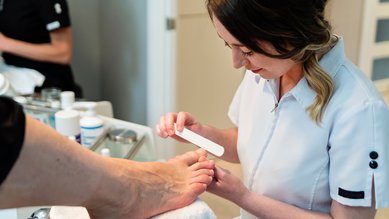
Nerve damage and circulatory disorders caused by diabetes can also cause small wounds to be overlooked and not heal properly. If these are not detected in time, diabetic foot, also known as diabetic foot syndrome, may develop.
How is type 1 diabetes diagnosed?
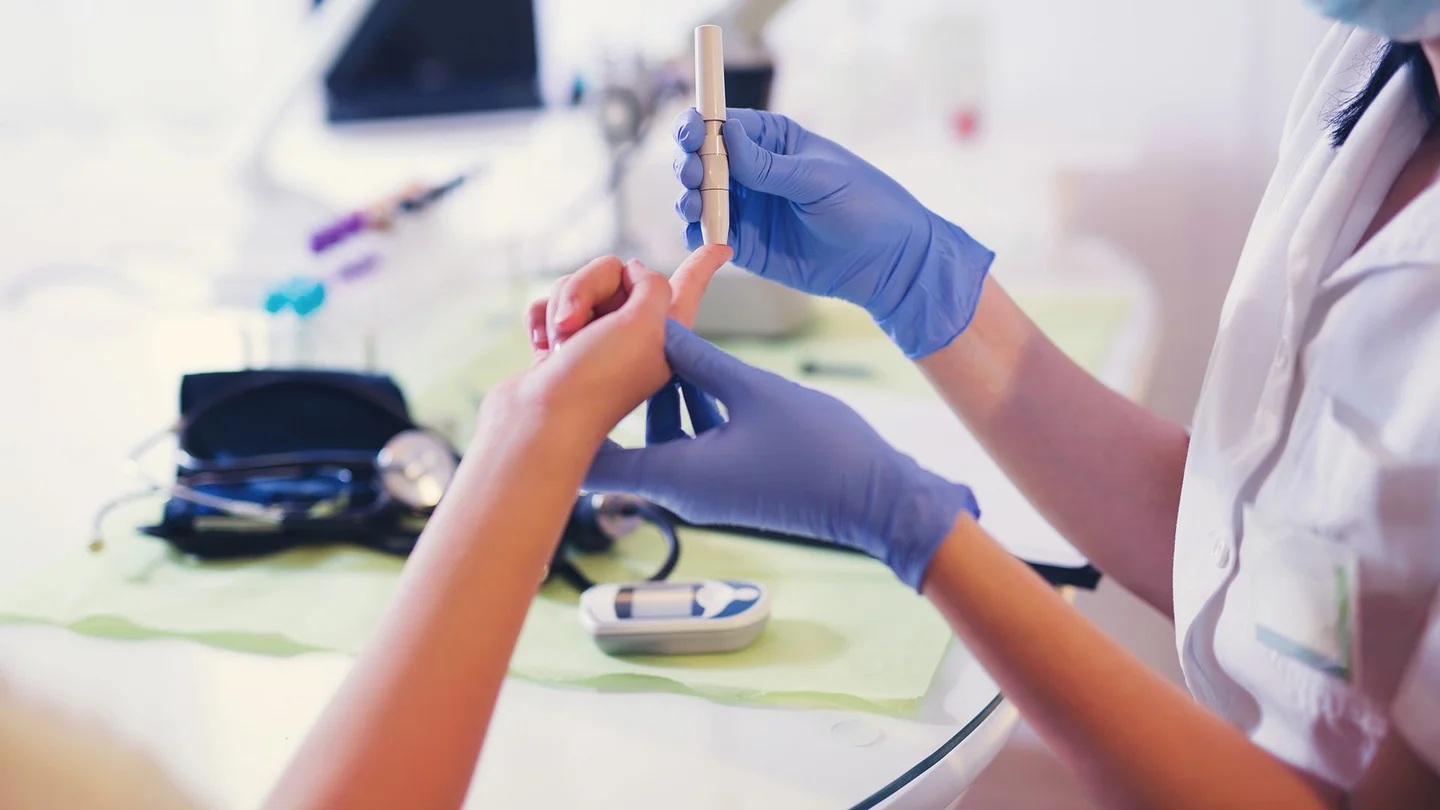
If diabetes mellitus is suspected, the sugar content of the blood is tested over the course of a day. Values are measured before any food is eaten and several more times throughout the day.
Laboratory testing is also conducted to determine whether the blood glucose level has been, on average, excessively high over a longer period of time. The HbA1c value of the blood indicates how high the average blood glucose level has been for the past two to three months.
How is type 1 diabetes treated?
People with type 1 diabetes check their glucose levels multiple times a day and need to take insulin regularly using a syringe or insulin pump.
This treatment replaces the lack of insulin in the body and lowers the blood glucose level. It is therefore important to administer just the right amount of insulin, otherwise, the blood glucose level could fall too low or rise too high.
If insulin therapy successfully maintains a healthy blood glucose level, the typical symptoms of the disease will largely disappear. The treatment can also prevent long-term complications. There are a variety of insulins and treatment options. Devices like insulin pumps and continuous blood glucose monitors can make the disease easier to treat.
The blood glucose level does not only depend on how much insulin is administered, but also on what a person eats and drinks, and how much energy is spent through physical activity.
Furthermore, the blood glucose level is impacted by the time of day, inflammatory diseases, other medications, or hormonal changes.
Important: To ensure successful treatment of diabetes, it is essential for patients to have a good understanding of their disease, disciplined self-management, and reliable medical care. However, to remain healthy in the long term, it is important to monitor blood pressure as well as blood glucose levels. In addition to insulin, other medications are often useful, for example medication to prevent cardiovascular disease.
For more information about using and handling insulin pumps, pens and injections, see gesundheitsinformation.de.
What is everyday life like with type 1 diabetes?
There is currently no cure for diabetes. However, it is usually possible to live an almost completely normal life with the disease.
This is quite a change from how thing were in the past, when people with diabetes had to maintain specific intervals between their insulin shots, food intake and physical activity. This made daily life extremely regimented.
Since then, these requirements have become much more relaxed. Insulin therapy is much more flexible these days.
Nevertheless, living with diabetes still requires some effort, discipline, and care. This is not always easy. It can be particularly difficult for younger people.
As with almost all chronic diseases in which daily medication is required, people with diabetes may occasionally forget to give themselves an injection or take their medication.
Some people with the disease feel fine even if they are inconsistent with their treatment. However, they run the risk of not noticing when diabetes has become a threat. This can cause serious and permanent health problems.
- Deutsche Diabetes Gesellschaft e.V. (DDG). Diagnostik, Therapie und Verlaufskontrolle des Diabetes mellitus im Kindes- und Jugendalter. S3-Leitlinie. AWMF-Registernummer 057-016. 2015.
- Deutsche Diabetes Gesellschaft e.V. (DDG). Therapie des Typ-1-Diabetes. S3-Leitlinie. AWMF-Registernummer 057-013. 2018.
Link: Therapie des Typ-1-Diabetes. - DiMeglio LA, Evans-Molina C, Oram RA. Type 1 diabetes. Lancet 2018; 391(10138: 2449–2462. doi: 10.1016/S0140-6736(18)31320-5. PMID: 29916386; PMCID: PMC6661119.

In cooperation with the Institute for Quality and Efficiency in Health Care (Institut für Qualität und Wirtschaftlichkeit im Gesundheitswesen – IQWiG).
As at: