Chronic itching (pruritus)
ICD codes: L29 What are ICD codes?
Having constantly itchy skin can be unbearable. However, intense scratching only provides short-term relief and causes changes to the skin that lead to more itching. Depending on the cause of the itch, the course of treatment may be protracted.
At a glance
- When you feel an itch, the automatic response is to scratch it.
- Repeated, intense scratching of chronically itchy skin causes damage to the skin. This skin damage in turn causes more itching, leading to a vicious scratch‑itch cycle.
- Dry skin and skin conditions are not the only causes of itching. For example, disorders of the nervous system, liver or kidneys can also be responsible for pruritus.
- Often, however, there is no obvious trigger.
- The right skincare measures often produce some relief. However, treatment is sometimes protracted and it can take some time to find the right combination of therapies.
Note: The information in this article cannot and should not replace a medical consultation and must not be used for self-diagnosis or treatment.
What is chronic itching?
Chronically itchy skin, known medically as pruritus, causes a frequent urge to scratch the skin. A skin condition or irritation is often responsible for the itch. However, there are many other health conditions that are also associated with itchy skin.
If the itching persists for longer than 6 weeks, it is referred to as chronic pruritus. It may occur in isolated locations on the skin or affect the whole body. This can be very debilitating and can severely impact on a person’s quality of life.
If the underlying cause can be identified and treated, the itching often disappears. However, in some cases, it may still persist. The pruritus is then regarded as a condition in its own right.
Although itchy skin has a range of possible underlying causes, the treatment does not vary.
Medicated treatment is applied locally to the affected areas of the skin and medication is also taken orally as pills. Phototherapy and psychotherapeutic approaches may also help.
It often takes several weeks for doctors to find a successful combination of various treatment options.
What are the symptoms of chronic itching?
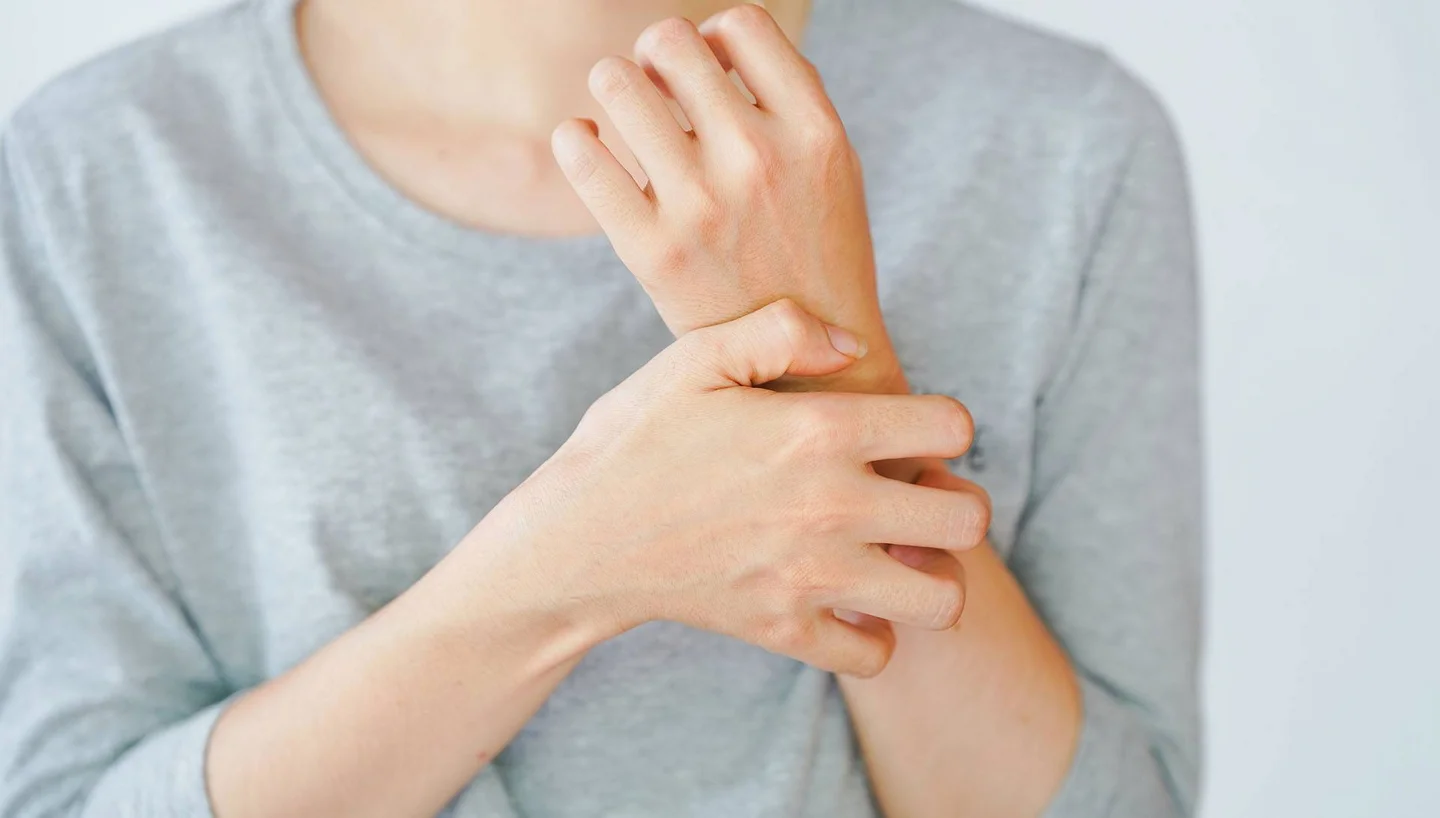
Itchy skin produces an urge to scratch. Scratching makes the itch disappear temporarily, bringing short-term relief. As a result, the brain automatically sends out the signal to scratch again the next time the itch is felt. However, intense scratching leaves scratch marks and causes skin irritation, which in turn leads to more itching.
Depending on how long the scratching continues and depending on its intensity, it may lead to skin changes, such as:
- redness, abrasions and bleeding
- ulceration, crusting, thickening, nodules and scars
- light or dark discoloration and patchiness
If the pruritus was caused by a skin condition, the original condition is often no longer visible due to scratch marks on the skin. If the altered and abnormal areas of the skin are colonized by bacteria, inflammation will occur.
People with chronic pruritus may feel that their quality of life is severely impacted. In addition to sleep disturbances, they may suffer from low mood, anxiety and depression. Many feel uncomfortable or excluded when in the company of others because of visible skin changes or scratch marks.
What causes chronic itching?
In the past, it was thought that itching was a mild form of pain. It is now known that specific nerve fibers exist for the purpose of perceiving itching and sending this stimulus signal to the brain.
Skin cells, nerve cells and blood cells can all release chemical messengers that trigger itching. If the “itching nerves” are particularly sensitive as a result of a health condition, even a small amount of itching is enough to send a strong signal to the brain.
Intense itching causes pain, which means that the person doesn’t notice the itching for a short time. The brain perceives this as a pleasant sensation. As a result, it sends out the signal to scratch again the next time that itching is perceived. This leads to the scratch-itch cycle, where any itch is automatically followed by scratching.
Chronic pruritus can occur due to many different causes and health conditions:
- Skin conditions, such as neurodermatitis, psoriasis or urticaria (nettle rash)
- Dry skin in older people – the most frequent cause of itching among those of advanced years
- Metabolic disorders, such as diabetes, or hormonal disorders, such as overactive thyroid
- Infectious diseases caused by viruses or parasites, such as shingles, HIV, scabies or headlice
- In rare cases, itching may be caused by a tumor. This occurs with leukemia and liver tumors in particular.
- Chronic kidney or liver disease
- Disorders affecting the nervous system or brain, such as polyneuropathy
- Mental health conditions, such as obsessive-compulsive disorder (OCD)
- Side-effects of certain medication, such as opioid antidepressants or antibiotics
- Dermatoses of pregnancy: Skin conditions that occur specifically during pregnancy
Multiple causes are sometimes present at the same time. However, the cause of the itching often remains unknown despite extensive testing and examinations.
How common is chronic itching?
Around 14 percent of people in Germany suffer from chronic pruritus.

Around one-third of patients visiting their family doctor complain of itching. This is much more common among older people. Up to two-thirds of these have chronic pruritus. Women appear to suffer more often than men.
How is chronic itching diagnosed?
The doctor will begin by asking specific questions about the itching. A pre-prepared questionnaire is often used for this purpose.
The following questions are important:
- When did the itching first occur?
- Where does the itching occur, how intense is it and how long does it last?
- What did the skin look like before scratching?
- Does the patient have any known allergies?
- Which medications are being taken?
- Are there any other symptoms? Does the patient have an underlying health condition?
- Are any close contacts also experiencing itching?
- Are there any specific circumstances that trigger the itching or does it occur at specific times?
- Has the patient’s diet changed?
- Is there new furniture or a pet in the patient’s home?
- Do any relatives have similar symptoms?
- What impact is the itching having on the patient’s quality of life and mood?
- Has it caused anxiety or sleep disturbances?
Important: To accurately record symptoms, it may be helpful to keep an “itching diary”.
Doctors also perform a full physical examination. If they find indications of a specific underlying condition, they will order additional tests, such as blood tests, ultrasound or magnetic resonance imaging (MRI).
Swabs or tissue samples are sometimes also taken from the areas of the skin that have changed.
How is chronic itching treated?
As it can be difficult to pinpoint the cause of itching, it can take a long time to treat. In addition, treatment doesn’t stop the itching immediately – instead, it gradually eases over an extended period. This means that patients have to persist with treatment until it produces results.
In addition to treating a possible underlying condition, the itching itself can be relieved in a number of ways.

General measures
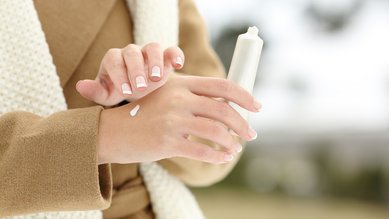
- Take care of your skin: Avoid taking showers and baths too frequently, make sure the water you use is not too hot, use mild soap and hydrating skincare products, dry the skin gently and moisturize regularly with lipid replenishing creams or lotions.
- Ensure that your indoor environment is cool with sufficient moisture in the air: Both air temperature and clothing play a role in this.
- Avoid direct contact with anything that could irritate the skin: This includes clothing made of wool or cleaning agents.
- Apply moisture-retaining bandages: These protect the affected skin areas against new injuries caused by scratching.
- Reduce your stress levels: Relaxation techniques may help reduce the frequency and intensity of the itching. Yoga or alternative therapies, such as acupuncture, may be beneficial.
Treatments for local application
- Medicinal products that suppress itching directly: These include cooling lotions with urea, menthol, camphor, anesthetic substances, anti-inflammatory agents and capsaicin. Capsaicin is a substance derived from chili peppers, which relieves pain and promotes blood flow.
- Phototherapy, also known as light therapy, may be beneficial in the treatment of itching caused by certain skin conditions and various internal conditions. It involves exposing the skin to ultraviolet (UV light).
Oral medication
- Anti-histamines: These are active agents used primarily to relieve itching caused by allergic reactions.
- Medication to treat depression or seizures
- Active substances that affect the transmission of pain signals or the body’s immune responses
There is no one medication that can reliably eliminate itching in all people who suffer with pruritus. However, there are many types of medication that may be beneficial. As a result, each individual patient needs to consider the options and find what works best for them.
Psychotherapy
Psychotherapy for chronic itching seeks above all to change the individual’s scratching behavior. Training programs and stress management techniques can help people to cope better with pruritus.
- Agelopoulos K, Pereira MP, Wiegmann H, Ständer S. Cutaneous neuroimmune crosstalk in pruritus. Trends Mol Med. 2022 Jun;28(6):452-462. doi: 10.1016/j.molmed.2022.03.005.
- Deutsche Dermatologische Gesellschaft e.V. (DDG). Diagnostik und Therapie des chronischen Pruritus. S2k-Leitlinie. 2022. AWMF-Registernummer 013-048.
- DynaMed [Internet]. Ipswich (MA). Pruritus (Generalized). EBSCO Information Services. Aufgerufen am 05.10.2022.
- Ständer S, Garbe C, Hagenström K et al. Healthcare Utilization and Treatment Patterns in Patients with Chronic Prurigo and Chronic Pruritus in Germany. Dermatology. 2022;238(4):753-761. doi: 10.1159/000520863.
- Ständer S, Schäfer I, Phan NQ et al. Prevalence of chronic pruritus in Germany: results of a cross-sectional study in a sample working population of 11,730. Dermatology. 2010;221(3):229-35. doi: 10.1159/000319862.
- UpToDate (Internet). Pruritus: Therapies for generalized pruritus. Wolters Kluwer 2022. Aufgerufen am 05.10.2022.
- UpToDate (Internet). Pruritus: Therapies for localized pruritus. Wolters Kluwer 2022. Aufgerufen am 05.10.2022.

Reviewed by the German Dermatological Society (Deutsche Dermatologische Gesellschaft e.V., DDG).
As at: