Severe acute respiratory syndrome (SARS)
ICD codes: U04.9 What are ICD codes?
SARS is a lung disease. It is caused by the SARS coronavirus and often develops into a severe infection in adults. In 2003, the SARS coronavirus caused a pandemic, which was brought to an end within several months. There have been no further infections to date.
At a glance
- Severe acute respiratory syndrome (SARS) is a lung disease that is caused by the SARS coronavirus.
- SARS first appeared at the end of 2002 and caused a pandemic in more than 30 countries, which came to an end in the summer of 2003.
- Initial symptoms of the disease are fever, coughing, joint pain and tiredness, followed by shortness of breath and breathing difficulties.
- Severe and fatal infections are most common among people aged over 65.
- For SARS to be diagnosed, the virus must be detected in a laboratory.
- There is no specific treatment and the treatment measures used serve to support the patient and relieve symptoms.
Note: The information in this article cannot and should not replace a medical consultation and must not be used for self-diagnosis or treatment.
What is SARS?
SARS is short for severe acute respiratory syndrome and is an infection of the lungs. It is similar to pneumonia and is caused by the SARS-CoV coronavirus.

SARS first appeared in 2002 and developed into a pandemic in 2003. Infections were recorded in more than 30 countries in Asia, Europe and America. However, strict hygiene measures succeeded in bringing the pandemic to an end in the same year.
No new infections with the SARS-CoV coronavirus have been recorded since 2004. 8,096 infections were recorded in total. Around 1 in 10 of all people infected died from the disease.
What are the symptoms of SARS?
It normally takes between 2 and 7 days for symptoms to appear following infection with the SARS pathogen. Asymptomatic infections – where people are infected with SARS-CoV but develop no symptoms – appear to be rare.
Fever (a high temperature) is the most common symptom of a SARS infection. Other general symptoms are chills, coughing, headache, joint pain and tiredness.
Around three-quarters of patients also experience shortness of breath and breathing difficulties as the disease progresses. Around one-fifth of people infected also experience diarrhea during this second phase of the infection.
Where does SARS-CoV come from and how is it transmitted?
SARS is an infectious disease that is caused by the SARS coronavirus (SARS-CoV). Experts assume that this virus originated in wild animals before being transmitted to humans. Diseases that are transmitted from animals to humans by infectious agents are known as zoonotic diseases.
People infected with SARS-CoV can transmit the virus to others. People are particularly contagious 6 to 11 days after the onset of symptoms.
The disease is mainly transmitted through close contact with infected individuals. SARS-CoV is largely spread by means of droplet infection – for example, when people cough, sneeze or speak. However, it can also be transmitted by microdroplets suspended in the air (aerosols). This is the main reason for the large number of infections that were spread among healthcare professionals. Smear infection – where the disease is spread by contact with surfaces contaminated with feces or saliva droplets containing the virus – is possible in principle but is less significant in the case of SARS.
Following an infection with SARS-CoV, the virus multiplies in the body – especially in the lower airways and lungs. The body’s immune system is activated to fight the virus. In many cases, there is an overreaction of the immune system, leading to massive inflammation that can damage the lungs and cause fluid to accumulate there. This interferes with the absorption of oxygen from inhaled air.
Video What are infectious diseases?
The video below looks at when doctors talk about an infectious disease, which pathogens trigger infectious diseases, and how they are transmitted.
This and other videos can also be found on YouTube
Watch nowThe privacy policy indicated there applies.
Who is at an increased risk of developing a severe form of SARS?
Most infections during the SARS pandemic of 2002/2003 were in adults. Infections in children under 12 years of age were rare and infected children did not experience severe symptoms.
The risk of becoming seriously ill with SARS and of dying as a result of the infection increased with advancing age. Diabetes mellitus and diseases of the heart and lungs were other risk factors for developing a severe form of SARS.
What is the outlook for SARS?
During the SARS pandemic, most infected people initially experienced cold-like symptoms, followed by shortness of breath and breathing difficulties. While one-third of those infected recovered within a week, the remaining two-thirds remained ill for a second week. For some of those, their condition deteriorated further at the end of the second week. One-fifth of all people who became ill with SARS required treatment in intensive care units.
In severe cases, various complications developed. These included:
- additional bacterial or fungal infections – referred to by professionals as superinfections
- blood poisoning (sepsis)
- thromboembolisms – where blood clots in blood vessels cut off the blood supply
- liver and kidney damage
- pulmonary hypertension – where blood pressure in the lungs is permanently elevated
- acute lung failure
These complications frequently led to death from SARS. The average mortality rate was around 10 percent – but this figure was much higher among older people and at‑risk groups.
How can the spread of SARS be prevented?
Infection with SARS can be prevented by following general hygiene and physical distancing rules and by wearing a full surgical face mask.
Rapid detection and isolation of infected individuals was another important measure used to contain the spread of the disease during the 2003 pandemic. Thanks to these precautions and measures, further spread of the virus was prevented and the pandemic was brought to an end within a few months.
Intensive research was conducted in order to develop a vaccine against the SARS virus but there is no approved vaccine to date.
How is SARS diagnosed?
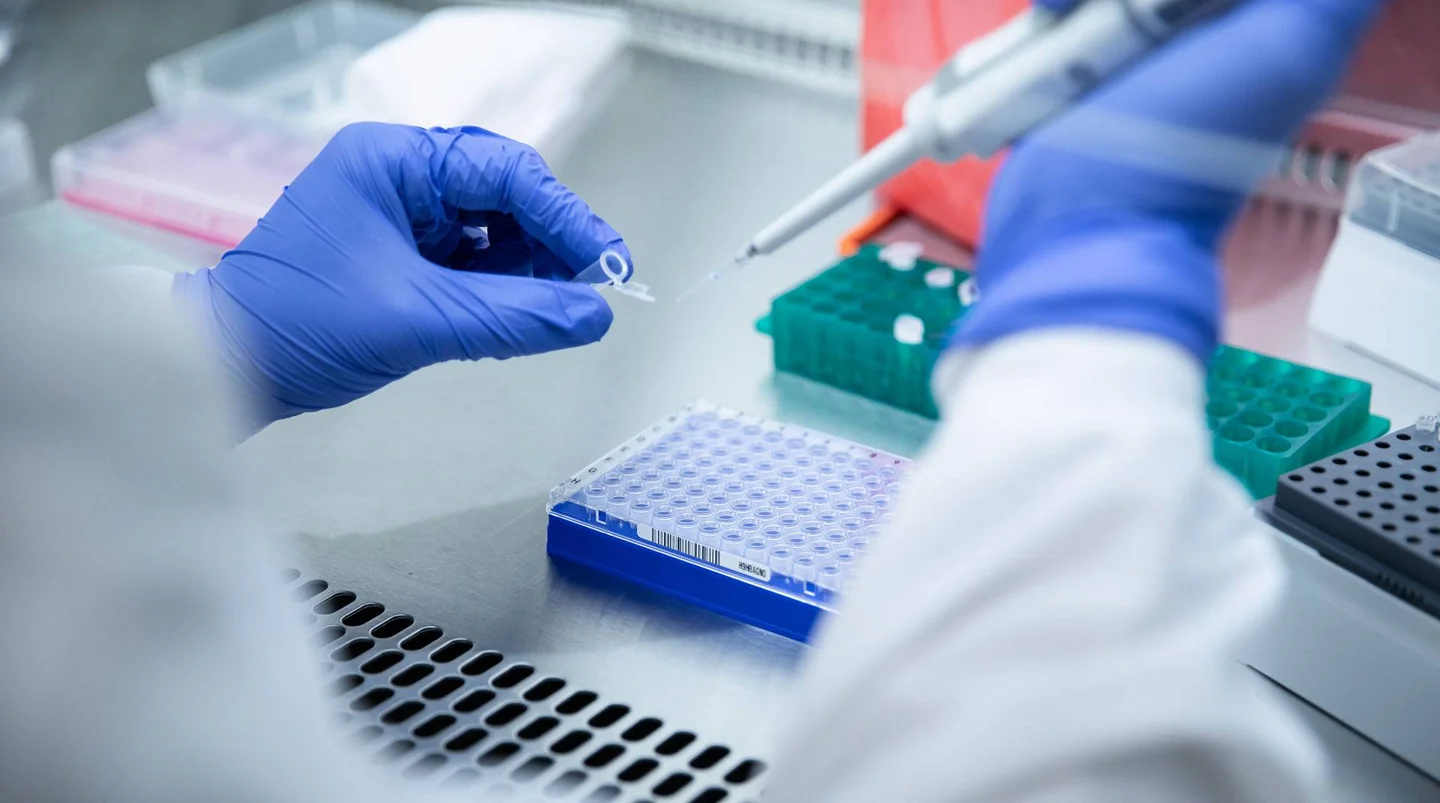
The SARS-CoV pathogen must be detected in order for SARS to be diagnosed. For this purpose, doctors send swab samples from the nose and throat, fluid drained from the airways or stool samples from patients to a lab for analysis. In the lab, a PCR test can detect the virus’s genetic material in the samples.
How can SARS be treated?
There is no effective medication for an infection with SARS. Therefore, treatment seeks to relieve the symptoms and support the patient’s lungs as far as possible – for example, by means of oxygen therapy. Some very ill people require ventilation.
- Deutscher Bundestag, wissenschaftliche Dienste. Zoonosen: Begriffsdefinitionen, historischer Überblick, Pandemiepotenzial. 01.2020.
- Hodgens A, Gupta V. Severe Acute Respiratory Syndrome. [Updated 2021 Nov 20]. In: StatPearls [Internet]. Treasure Island (FL): StatPearls Publishing; 2021 Jan. Aufgerufen am 15.02.2022.
- Hui DSC, Zumla A. Severe Acute Respiratory Syndrome: Historical, Epidemiologic, and Clinical Features. Infect Dis Clin North Am. 2019 Dec;33(4):869-889. doi: 10.1016/j.idc.2019.07.001. PMID: 31668196; PMCID: PMC7127569.
- Robert Koch-Institut (RKI). Krankheitsbeschreibung von SARS. Aufgerufen am 15.02.2022.
- UpToDate (Internet). Severe acute respiratory syndrome (SARS). Wolters Kluwer 2021. Aufgerufen am 15.02.2022.

Reviewed by the Society of Virology (Gesellschaft für Virologie e.V. – GfV).
As at: