Lymphedema
ICD codes: I89 What are ICD codes?
Lymphedema occurs when the lymph cannot drain away properly and builds up. This often happens with cancers and cancer therapies. But there are other causes of these, often painful, buildups of fluid.
At a glance
- A lymphedema is a swelling that occurs when lymph fluid builds up in tissue.
- A distinction is drawn between genetic (primary) and acquired (secondary) lymphedemas.
- Typical symptoms include pain, swellings, and a feeling of pressure and heaviness in the area affected.
- Lymphedemas often occur in arms and legs.
- They are commonly caused by cancers and cancer therapies such as the removal of lymph nodes.
- They are usually treated by lymph drainage and exercise therapy. Surgery is only rarely useful.
Note: The information in this article cannot and should not replace a medical consultation and must not be used for self-diagnosis or treatment.
What is lymphedema?
The lymph fluid flows around the body via the lymph vessels. It contains proteins, salts and white blood corpuscles (lymphocytes), among others. The lymphocytes are important for the immune defense. The lymph system is also used for drainage and cleaning: excess fluids, metabolic waste products and harmful substances are flushed out of the body via the lymphs.
One talks of a lymphedema when the lymph fluid accumulates at a particular place in the body and a swelling (edema) occurs. This can happen when lymph vessels or lymph nodes are damaged.
A lymphedema is a chronic illness that can occur at any age. Doctors distinguish between congenital (primary) and acquired (secondary) lymphedemas. The latter occur as a consequence of injuries, therapies, or illnesses such as cancer.
What are the symptoms of lymphedema?
Lymphedema is often accompanied by these symptoms:
- swellings
- pain
- feeling of pressure
- feeling of heaviness
- changes to skin
- mobility restrictions
These symptoms can occur singly or in combination. Lymphedemas may occur at one or more sites in the body.
In general, any part of the body may be affected, but lymphedemas are often found in arms or legs.
What can cause a lymphedema?
A primary lymphedema has genetic causes.
A secondary lymphedema can occur because of various conditions or injuries, but it may also be triggered by certain therapies. The most common causes are cancers and cancer treatments. These include, for example, the removal of lymph nodes and radiotherapy.
Factors that favor lymphedema are being overweight (obesity) and certain inflammatory illnesses such as arthritis and dermatitis.
How common is lymphedema?
Lymphedema can occur at any age. Children mainly get primary (genetic) lymphedemas.

Primary lymphedema occurs in around 1 out of 6,000 babies. It is ten times more common in girls than in boys.
Secondary lymphedema is far more common than primary. In industrialized countries it occurs in approximately 0.1 to 2 percent of people.
How does lymphedema develop?
Lymphedema is a chronic condition, i.e. it stays with the sufferer for life. Depending on the nature of the condition, doctors categorize it as stages 0 (very mild) to 3 (very severe).
Adequate treatment can prevent it from getting worse. Even a severe lymphedema can then regress.
How can lymphedema be prevented?
People with a higher risk of developing a lymphedema can help their lymph system through sporting activities. A healthy diet is also recommended.
Important: If there are additional conditions that can impair the lymph flow, for example diabetes mellitus or a venous insufficiency, they should be treated by specialists.
How is a lymphedema diagnosed?
The doctor will particularly ask whether
- there is any lymphedema or vascular disease in the family
- the person has been operated on
- there are any pre-existing conditions
- there is or has been any cancer
- the skin has changed
The doctor will then check:
- where the swelling is
- whether the skin has changed
- whether the person is short of breath or sweating
- how mobile the person is in general
- how big the lymph nodes are and how they feel
- the nature of the edema
- the condition of the blood vessels
- the skin temperature
- joint mobility
If these tests do not result in a definite diagnosis, other methods can be used. These are, in particular, imaging methods such as ultrasound, magnetic resonance tomography (MRT), and an image of the lymph vessels (lymphangiogram).
Functional lymphoscintigraphy is used to assess lymph fluid transport. This involves injecting a weak, radioactive substance that is carried off through the lymph vessels.
If a primary lymphedema is suspected, certain genetic tests can provide further information.
How can lymphedema be treated?
Lymphedema is usually treated with Complex Physical Drainage (CPD) therapy. This aims to help the accumulated fluid to drain away. It includes:
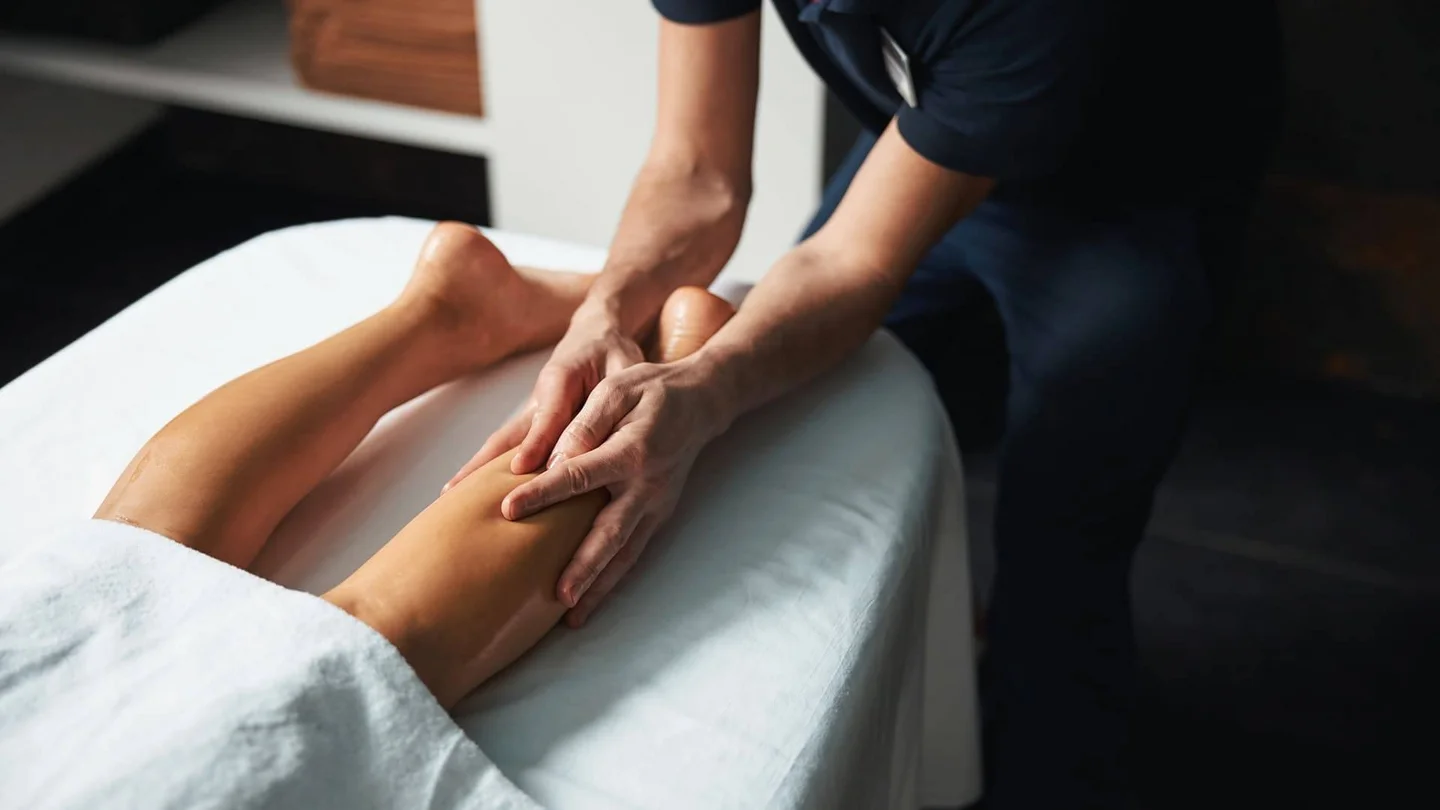
- manual lymph drainage
- compression therapy, for example with compression stockings
- exercise and activity, particularly group exercises and rehabilitation activities
- information and training for self-treatment
- skincare and skin protection, for example with moisturizing creams
- immediate treatment for skin damage, for example disinfecting wounds
The initial treatment phase usually takes place in hospital. As the therapy continues, decisions as to which measures to employ and how often are taken on an individual basis.
Weight loss, along with exercise for stamina, flexibility and strength, may be beneficial to overweight people with lymphedema, in particular.
Surgical therapy will only be considered if the conservative therapy has not yet resulted in a significant improvement after 6 months.
How does lymphedema impact everyday life?
Depending on the nature of the illness, the restricted mobility and the appearance of the affected part of the body may badly affect the patient mentally. The extensive therapy takes time, and everyday tasks have to be adapted to the situation.
Additional psychological support helps some people with a lymphedema. This often also results in an improvement of the physical symptoms.
- DynaMed (Internet), Ipswich (MA). Lymphedema – Approach to the Patient. EBSCO Information Services. 2018 (1995). Record No. T909498. Aufgerufen am 06.01.2021.
- Gesellschaft Deutschsprachiger Lymphologen e.V. (GDL). Diagnostik und Therapie der Lymphödeme. S2k-Leitlinie. AWMF-Registernummer 058-001. 05.2017.
- UpToDate (Internet). Clinical features and diagnosis of peripheral lymphedema. Wolters Kluwer 2019. Aufgerufen am 06.01.2021.
- UpToDate (Internet). Clinical staging and conservative management of peripheral lymphedema. Wolters Kluwer 2021. Aufgerufen am 06.01.2021.

In cooperation with the Institute for Quality and Efficiency in Health Care (Institut für Qualität und Wirtschaftlichkeit im Gesundheitswesen) (IQWiG).
As at: