Infertility
ICD codes: N46 N97 What are ICD codes?
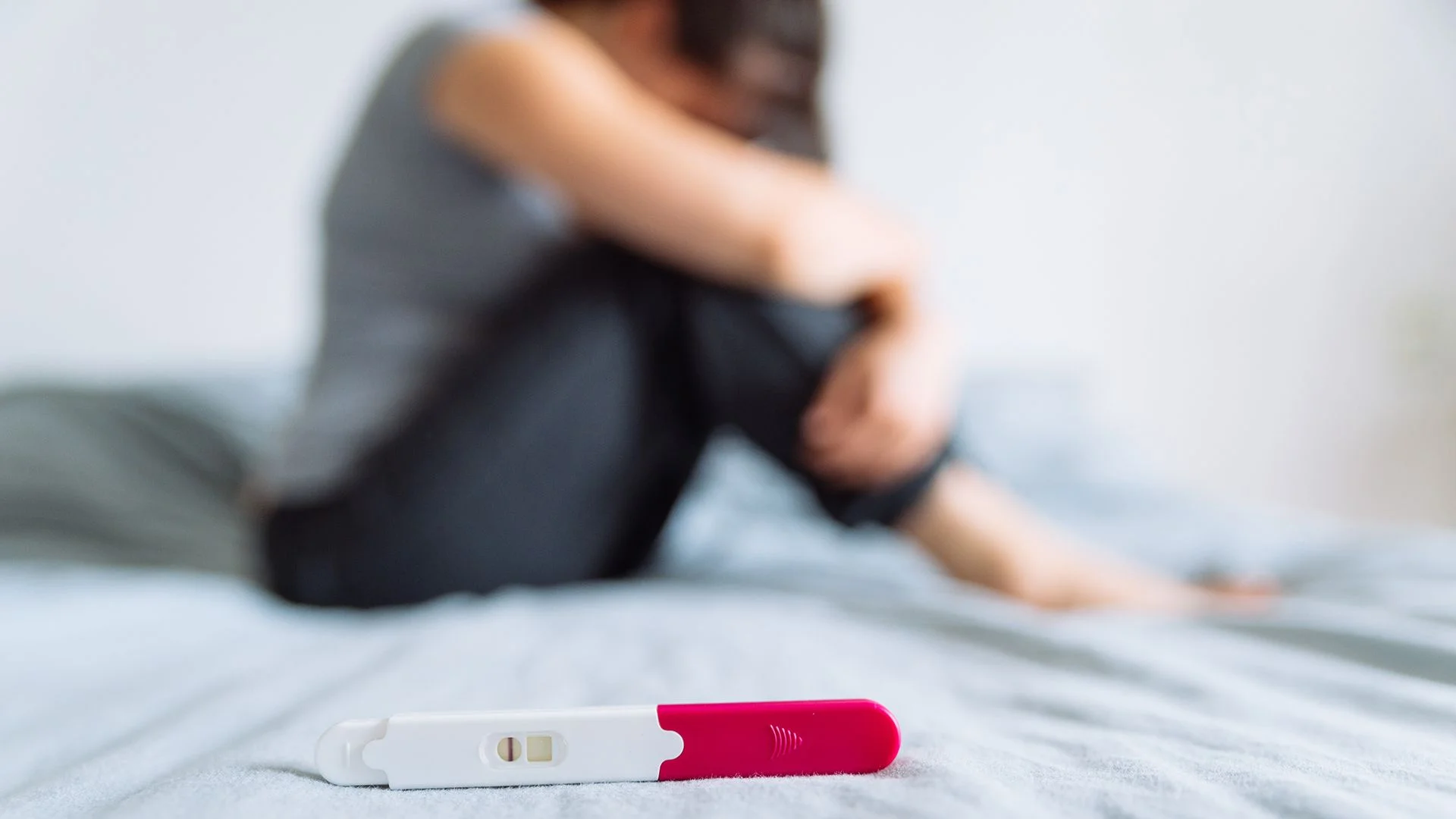
Being unable to conceive due to infertility can be very stressful for a couple, especially as children are part of many people’s life plans. Several treatment options are available for infertility, depending on the cause.
At a glance
- If a couple has regular sexual intercourse for a year without contraception and has not conceived, this is referred to in medical terms as “infertility”.
- Being unable to have children can be very stressful.
- The older the couple, and especially the woman, the more unlikely it is that they will conceive naturally soon after starting to try for a baby.
- There are several options for fertility treatment.
Note: The information in this article cannot and should not replace a medical consultation and must not be used for self-diagnosis or treatment.


What is infertility?
Most people find being unable to have children extremely stressful. After all, having a (further) child is part of many women’s and men’s life plans.
If the woman fails to conceive despite a couple having regular sex without contraception for one year, the medical term for this is “infertility”.
An unfulfilled desire to have a baby leads many couples to seek medical help at some point. There are various possible treatment options depending on the causes of the infertility.
What causes infertility?
There can be many different reasons for couples being unable to have a child. Possible physical causes in women can include:
- hormonal disorders
- damaged fallopian tubes or ovaries
- myomas or endometriosis
Examples of physical causes in men can include:
- hormonal disorders
- poor sperm quality (e.g. a low sperm count, abnormal sperm or low sperm motility)
- blocked sperm ducts that sperm are unable to escape through during ejaculation
- erectile dysfunctions
Fertility can also be impaired by other factors such as certain health conditions and infections as well as genetic, psychological or environmental influences. These can all lead to a couple remaining childless. In some cases, however, the cause cannot be determined.
Age also plays an important role: the older the couple, and especially the woman, the more unlikely it is that they will conceive naturally soon after starting to try for a baby.
How common is infertility?
According to estimates, between one and two percent of women in Europe aged between 20 and 44 years who have not been using contraception for several years and have regular sexual intercourse do not conceive a first child.
About 10 percent of women who have already had at least one child and want another are also affected.
How is infertility diagnosed?
As a lack of conception can be due to the man, the woman or both, it is important for both partners to have medical examinations. These include:
- medical history: a detailed consultation with the doctor
- physical examinations
- a blood test to determine the hormone level in the blood
- an examination of the sperm sample
- an ultrasound examination of the uterus, ovaries and fallopian tubes
How is infertility treated?
The treatment methods selected primarily depend on the problem that has been diagnosed in the man or woman. If there are problems with the woman’s menstrual cycle, for example, hormones are used.
In the case of myomas, surgery can sometimes help. Hormone or surgical treatments are also possible for men – depending on the cause of their infertility.
If a man has a very low sperm count or a low sperm motility, the sperm can be directly transferred to the woman’s uterus. This procedure is called insemination. It can be considered if:
- a couple is unable to have sexual intercourse or
- the sperm are unable to penetrate the cervix’s mucous membrane (cervical mucus).

Another alternative is artificial fertilization, “in vitro fertilization” (IVF). Here, the woman’s eggs are removed by inserting a thin, hollow needle into the vagina and then brought together with the man’s sperm. Prior to this procedure, the woman’s ovaries must be stimulated to release several mature eggs in a single menstrual cycle. This is done using hormone treatment, which can be very unpleasant due to the side-effects.
Insemination takes place outside the woman’s body in a laboratory. With artificial insemination, sperm are placed together with an egg and fertilize it naturally. With intracytoplasmic sperm injection (ICSI) on the other hand, a fine needle is used to directly inject sperm into an egg.
If fertilization was successful and the eggs continue to develop, the doctor implants a maximum of three embryos into the uterus after a few days. If more eggs have developed into embryos, the woman can decide whether these are to be destroyed or frozen (cryopreserved).
This also applies to eggs where the sperm and egg genomes have not yet completely merged (the “pronuclear stage”).
If the first attempt was unsuccessful, cryopreserved embryos or fertilized eggs can be thawed and used during a later menstrual cycle.
Where can I find more information about infertility?
The portal www.familienplanung.de from the Federal Center for Health Education (BZgA) provides information about pregnancy planning, infertility and treatment options (in German).
More detailed information on infertility and how the female reproductive organs work can be found at gesundheitsinformation.de.
- Deutsches IVF-Register. Jahrbuch des Deutschen IVF-Registers 2016. Journal für die Reproduktionsmedizin und Endokrinologie 2017; 14(6): 275-305.
- Institut für Qualität und Wirtschaftlichkeit im Gesundheitswesen (IQWiG). Spermiogrammparameter für eine Indikation zur Intracytoplasmatischen Spermieninjektion (ICSI) statt In-vitro-Fertilisation (IVF). Abschlussbericht; Auftrag N12-02. IQWiG-Berichte; Band 242. 09.2014.
- Pschyrembel Online. 2022.
- Weyerstahl T, Stauber M. Gynäkologie und Geburtshilfe. Thieme: Stuttgart 2013.

In cooperation with the Institute for Quality and Efficiency in Health Care (Institut für Qualität und Wirtschaftlichkeit im Gesundheitswesen) (IQWiG).
As at: