Staying healthy with deliberate breaks and active relaxation
Certain illnesses can be caused and made worse by a particular lifestyle. Stress and constant tension may also put people at an increased risk of infection and cause them to be abnormally fatigued. Recognizing and avoiding causes of stress and consciously taking time out are great ways to help improve quality of life and health.
At a glance
- Over the long term, stress and overload can damage a person’s physical and mental health.
- Recognizing, avoiding and eliminating stress triggers are the most important steps in preventing stress.
- Other important elements are exercise, relaxation and eating a balanced diet to maintain a healthy lifestyle.
- Taking regular rest breaks can prevent certain illnesses – and help people to stay resilient and efficient.
- Relaxation techniques, such as autogenic training, can also help reduce stress.
What effect do conscious breaks and active relaxation have?
Constant work and life stress and not taking breaks may, at some point, cause a person to become “overstretched”. When people are stressed or under physical and mental pressure, the body goes into “fight or flight” mode. It releases stress hormones like cortisol. If being “on alert” in this way becomes the norm rather than the exception, it can, over time, cause both physical and mental illness.

However, taking breaks regularly and consciously interrupts this constant tension and gives relief to both body and mind. This helps us to recover and to recharge our batteries – as well as to regain our efficiency and remain resilient and healthy in the face of any challenges that arise.
How can we reduce the amount of stress in our lives?
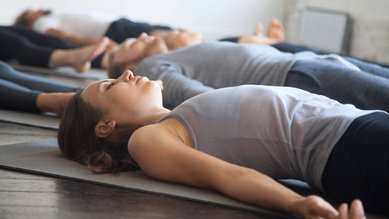
Taking regular breaks and consciously taking time out can counter stress. During times of rest and relaxation, muscle strain lessens, the heart rate and blood pressure drop, and breathing slows down. We also gain inner peace and gradually become calmer and more serene. That’s why taking regular, deliberate breaks helps to prevent stress-related illnesses and create a healthy balance between tension and relaxation.
Some people only need a little bit of downtime to achieve this – such as playing sport now and then or enjoying a quiet evening on the sofa. However, for many people, this is not enough to switch off those niggling thoughts and take the pressure off a body that is constantly “on alert”. In this case, targeted, individual stress reduction strategies can help people to relax. These may range from simple rituals to regular exercises or specific courses that teach relaxation methods.
Important: These moments of relaxation are important not just for adults but for children too. Today, children’s daily lives are impacted by the influence of the media, pressure to perform, a jam-packed weekly schedule, and the ever-present smartphone. For children, it helps to get back to what childhood is all about – playing, fooling around and doing nothing, in the open air, discovering and making things.
What can help people to slow down?
What a lot of people have forgotten to do, in and outside work, is to take breaks. It might sound banal, but the first step towards de-stressing is to consciously create moments of slowing down.
The following measures can help:
- Deliberately include breaks and positive leisure activities in everyday life and add them to the diary as fixed appointments.
- Address family and work problems: this is the only way to deal with this type of stress trigger. This can be done with the assistance of a coach or psychologist.
- Consciously devote more time to the things that make life enjoyable – such as family and friends, or hobbies.
- Get moving: exercise helps de-stress, while improving efficiency and stamina.
- Practicing conscious, deep breathing helps people to create their own sense of peace.
- Get plenty of sleep and, in particular, sleep well – to regenerate mind and body.
What techniques can help with relaxation?
“Chilling out” comes easily to some people, but others have to learn how to relax properly. If stress levels are very high, tension may not completely disappear even during restful periods, e.g. when resting after work, going for a walk or even sleeping.
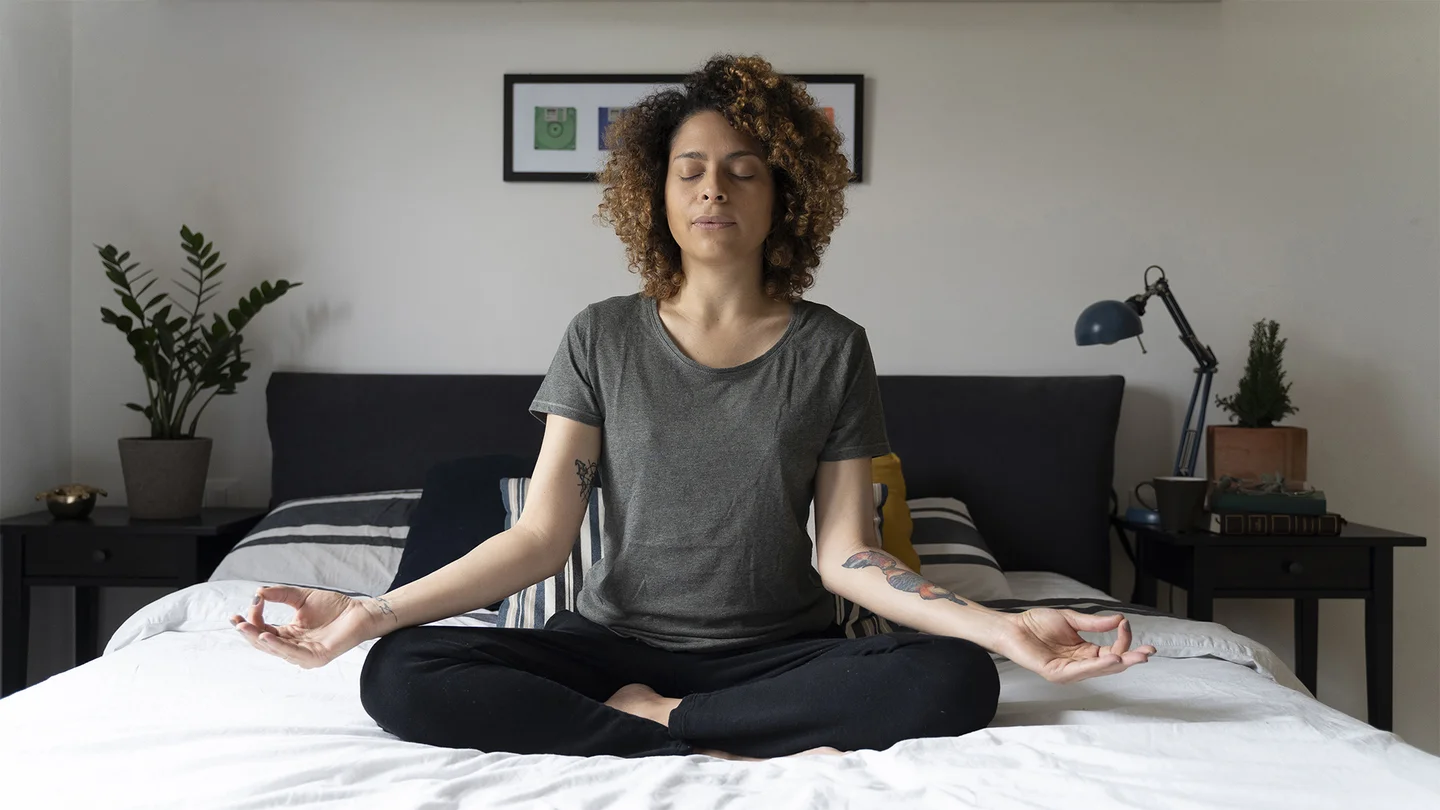
Regular exercises can help release the tension that comes with being constantly on alert and train the body to become restful more quickly and easily. Suitable techniques include autogenic training, Jacobsen’s technique of progressive muscle relaxation, mindfulness training or meditation.
Interesting fact: These days, employers and health insurance providers offer numerous programs and courses on relaxation and stress management as part of health promotion and schemes to prevent burnout.
These relaxation techniques help people to focus on specific areas of the body, consciously focus their thoughts, deliberately switch off from physical tension and relax – all of which helps to facilitate, strengthen and internalize relaxation responses. They also help people to switch off from external stimuli, which in turn promotes a state of internal peace.
More information about how to practice the various techniques, as well as their effectiveness and applications, is provided in the article on relaxation methods.

Relaxation exercises can help to relieve symptoms of existing illnesses. For example, these techniques may help cancer patients to cope better with their illness. Relaxation methods can also help relieve symptoms in people with depression, anxiety disorders or tinnitus.
- Bundesministerium für Gesundheit. Ratgeber zur Prävention und Gesundheitsförderung.
- Deutsche Krebsgesellschaft – Onko-Internetportal. Entspannungstechniken für Krebspatienten. Aufgerufen am 02.11.2021.
- GKV-Spitzenverband. Präventionsangebote der Krankenkassen. Aufgerufen am 03.11.2021.
- Hapke U, Maske UE, Scheidt-Nave C et al. Chronischer Stress bei Erwachsenen in Deutschland. Bundesgesundheitsblatt 56: 749–754. doi: 10.1007/s00103-013-1690-9. Springer: Berlin, Heidelberg 2013.
- Petermann F. Entspannungsverfahren: Praxishandbuch. Beltz Psychologie: Weinheim 2020.
- Rusch S. Stressmanagement – Ein Arbeitsbuch für die Aus-, Fort- und Weiterbildung. 2. Auflage. Springer: Berlin 2019. doi: 10.1007/978-3-662-59436-0.
- Schiess C, Kobleder A. Prävention von beruflichem Stress bei Gesundheitsfachpersonen. Cochrane-Review. Pflegezeitschrift 2016, Jg. 69, Heft 8.
- Uniklinikum Saarland. Studienbrief: Studienbrief: Entspannungsverfahren – Version 2009.
As at: