Conjunctivitis
ICD codes: H10 What are ICD codes?
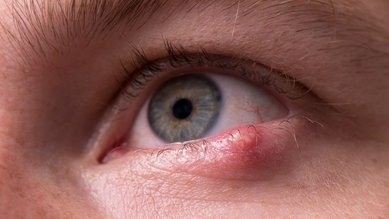
Conjunctivitis is an inflammation of the conjunctiva. The conjunctiva is a protective membrane that covers the visible white part of the eye and the inner side of the eyelid. The inflammation is contagious and can be a nuisance, but it is usually harmless.
At a glance
- Conjunctivitis is often caused by germs such as viruses or bacteria (infectious conjunctivitis).
- But it is also often caused by an allergy. This is then referred to as allergic conjunctivitis.
- Conjunctivitis makes the eye red and sometimes watery and itchy and the conjunctiva produces a discharge.
- Viral and bacterial conjunctivitis are both contagious.
- But there is no risk of infection with inflammation caused by allergies or external factors.
- Conjunctivitis usually goes away without treatment within one to two weeks.
Note: The information in this article cannot and should not replace a medical consultation and must not be used for self-diagnosis or treatment.
What is conjunctivitis?
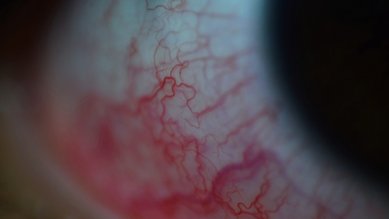
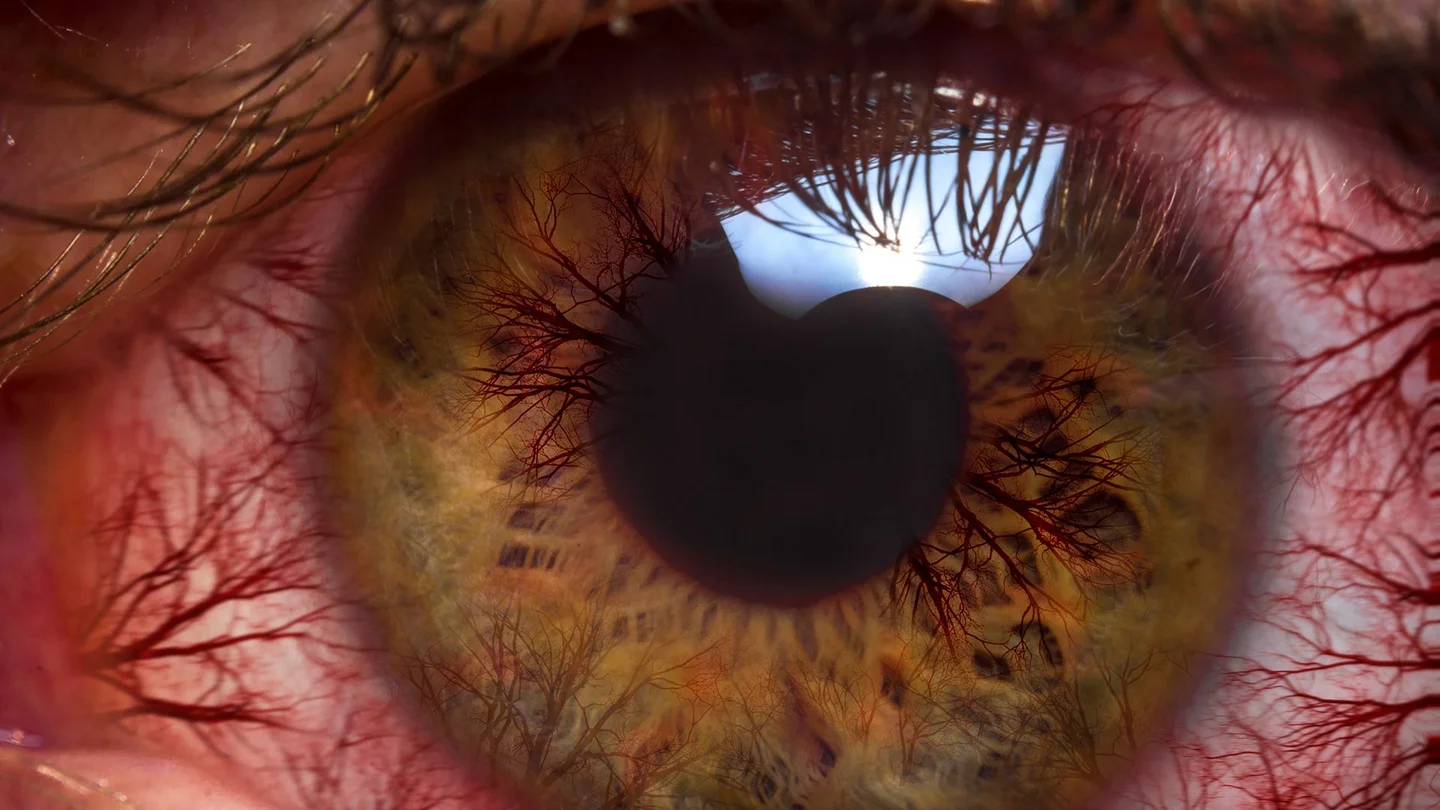
Conjunctivitis is an inflammation of the conjunctiva. The conjunctiva is a thin mucus membrane. It covers and protects the visible white part of the eye and the inner side of the eyelid. If it becomes inflamed, the eyes appear red.
Conjunctivitis may have a range of causes. It is frequently caused by a viral or bacterial infection. Doctors refer to this type of conjunctivitis as infectious conjunctivitis. Allergies are another possible cause of conjunctivitis. This is then referred to as allergic conjunctivitis.
What are the symptoms of conjunctivitis?
The symptoms of conjunctivitis differ slightly depending on the cause.
Bacterial conjunctivitis
This makes your eyes red and watery, and you may sometimes have an itching and burning sensation in your eyes. The conjunctiva produces a yellowish-white discharge that makes your eyelids stick together. This is especially noticeable when you wake up in the morning. The conjunctiva can also become sore and hurt when you move your eye.
Viral conjunctivitis
This has symptoms that are similar to bacterial conjunctivitis, but the eyes typically secrete a more watery fluid.
Allergic conjunctivitis
If conjunctivitis is caused by an allergy, both eyes are always affected. Here, too, the eyes water. Itching and redness are typical signs of an allergy. Allergic conjunctivitis is often accompanied by other allergy symptoms, such as a runny nose.
Important: In rare cases, conjunctivitis may also be a sign of a more serious problem. It is important to see a doctor if you have any of these symptoms: poor vision, increased sensitivity to light, the feeling that you have something in your eye, or a severe headache together with nausea.
What causes conjunctivitis?
Conjunctivitis can be caused by viruses or bacteria and they are both contagious.
The germs are usually transferred by touch (smear infection), and so the infection can spread easily from one eye to the other – for instance, if you touch both eyes with your fingers. But it can also spread through contact with objects such as eye drop bottles, tissues, washcloths or binoculars.

Apart from viruses or bacteria, allergies are another possible cause of conjunctivitis. These include allergies to pollen or house dust mites. External irritation can also cause inflammation of the conjunctiva. Possible irritants include dust or dirt, dry air, irritating liquids or damage to the conjunctiva. Sometimes the eye isn’t kept moist enough with tear fluid, and that can lead to conjunctivitis too.
If conjunctivitis is caused by an allergy or another external factor, it is not contagious.
Video What is conjunctivitis?
This video explains what triggers conjunctivitis, what the symptoms are and how it can be treated.
This and other videos can also be found on YouTube
Watch nowThe privacy policy indicated there applies.
How does conjunctivitis develop?
Bacterial conjunctivitis usually doesn’t have any serious consequences. In more than half of all people who get conjunctivitis, it gets better without treatment within one to two weeks. Viral conjunctivitis often goes away on its own within a few weeks too.
Doctors consider conjunctivitis to be chronic if it lasts longer than four weeks.
How is conjunctivitis diagnosed?
The doctor will usually ask you about the typical symptoms of conjunctivitis, such as itching, the feeling that you have a foreign object in your eye, or sticky eyelids, and then how long you have had these symptoms for. After that, your eyes and eyelids will be examined to find or rule out any possible injuries or external irritants.
The symptoms usually show quite clearly whether conjunctivitis is bacterial or viral. However, if the type of germs causing the infection is unclear, a sample of discharge from the eye is taken to investigate.
How is conjunctivitis treated?
Doctors often prescribe antibiotic eye drops or creams for conjunctivitis as a precaution. However, antibiotics are only effective against bacterial infections.
Conjunctivitis is more commonly caused by viruses. In this case, it is only possible to treat the symptoms.
If conjunctivitis is caused by an allergy, it can be treated with antihistamines or mast cell stabilizers. These are used in the form of eye drops.
There are various other ways to treat conjunctivitis. These include non-antibiotic eye drops and cold or lukewarm compresses. However, these treatments have not been adequately studied. It is therefore not clear if they are helpful or even harmful.
More detailed information about conjunctivitis and whether antibiotics help can be found at gesundheitsinformation.de.
- Azari AA, Barney NP. Conjunctivitis: a systematic review of diagnosis and treatment. JAMA. 2013 Oct 23;310(16):1721-9. doi: 10.1001/jama.2013.280318. Erratum in: JAMA. 2014 Jan 1;311(1):95. Dosage error in article text. PMID: 24150468; PMCID: PMC4049531.
- Berufsverband der Augenärzte Deutschlands (BVA), Deutsche Ophthalmologische Gesellschaft (DOG). Leitlinie Nr. 12: Bakterielle Konjunktivitis. Stand: 08.2011.
- Castillo M, Scott NW, Mustafa MZ et al. Topical antihistamines and mast cell stabilisers for treating seasonal and perennial allergic conjunctivitis. Cochrane Database Syst Rev. 2015 Jun 1;(6):CD009566. doi: 10.1002/14651858.CD009566.pub2. PMID: 26028608.
- Epling J. Bacterial conjunctivitis. BMJ Clin Evid. 2012 Feb 20;2012:0704. PMID: 22348418; PMCID: PMC3635545. Aufgerufen am 13.05.2020.
- Sheikh A, Hurwitz B, van Schayck CP et al. Antibiotics versus placebo for acute bacterial conjunctivitis. Cochrane Database Syst Rev. 2012 Sep 12;(9):CD001211. doi: 10.1002/14651858.CD001211.pub3. PMID: 22972049.

In cooperation with the Institute for Quality and Efficiency in Health Care (Institut für Qualität und Wirtschaftlichkeit im Gesundheitswesen – IQWiG).
As at: