Underweight – when too little weight is harmful to health
People of any age can become underweight and this is not always a cause for concern. However, if symptoms of deficiency occur at the same time, being underweight can cause health problems, especially if the cause is an eating disorder. This article explains when doctors consider a person to be underweight and what can be done about it.
At a glance
- Adults with a body mass index (BMI) of less than 18.5 are classed as underweight (normal BMI range is 18.5 to 25).
- People can be genetically predisposed to being underweight or can become underweight as a result of illness or food intolerance.
- Older people are often underweight as a result of illness, dental problems, gastrointestinal problems or a lack of appetite.
- People with an eating disorder such as anorexia are often underweight.
- Stress or mental illness can also lead to a person becoming underweight.
- A conscious change in diet and changes in behavior can help an underweight person achieve a healthy weight.
Note: The information in this article cannot and should not replace a medical consultation and must not be used for self-diagnosis or treatment.


What does it mean to be underweight?
A weight that is too low is not always harmful to health. However, if an underweight person becomes malnourished, their immune system and their whole body can be weakened. Those affected are then more prone to infections and certain illnesses.
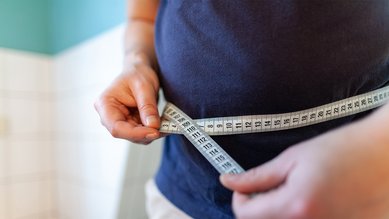
Adults who have a body mass index (BMI) of less than 18.5 are considered underweight. The BMI measurement parameter is a measure of a person’s weight in kilograms compared to their height in meters squared.
You can find a BMI calculator on the “Eating disorders” website
of the Bundeszentrale für gesundheitliche Aufklärung (BzGA) (Federal Centre for Health Education).
Is it just good metabolism or a serious problem?
“I just have a good metabolism!” is something that very slim people often say. And there is indeed a genetic predisposition, which often runs in families, whereby some people gain little or no weight. This does not usually present a problem, provided that the person is just a “good calorie burner” but eats enough nutrients as part of a varied diet.
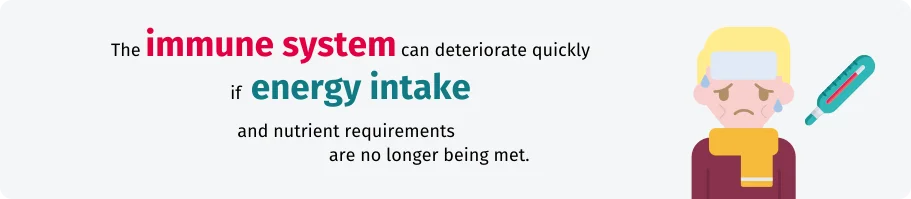
Health problems can arise if the energy intake and the nutrient requirement are no longer adequately covered and the person becomes malnourished.
This can result in the person’s immune defenses being weakened and their susceptibility to infection can increase. Other effects of malnutrition include listlessness, tiredness and sleep disorders, difficulty concentrating, as well as some serious illnesses. Some people who are very underweight develop muscle wasting or osteoporosis. Infertility or damage to the internal organs such as the liver, kidneys and the heart can occur if a person is very underweight.
Being underweight can affect people of all ages
Eating habits that are harmful to health, especially among young people, often develop from a desire to be slimmer. However, being underweight to the extent that it is harmful to health does not only occur in young people, and it is not always based on conscious decisions. Stress, mental problems and pressure to meet too many demands can also cause a person to become underweight at any stage of life.
Eating can become a chore, particularly for people in demanding jobs. They may not have the time or mental space to eat consciously or meet their physical needs. Long-term stress, lack of sleep and tension can also impact the body’s ability to process nutrients, leading to a loss of weight.
However, older people in retirement can also be affected. They often lose their pleasure in eating, have less appetite, and cooking for themselves every day can become a burden. Gastrointestinal and dental problems and taking medication can also lead to food intolerances and underweight.
In all these life situations, it is important to ensure that food becomes an enjoyable part of life again. Individual advice from doctors, psychologists and nutritionists can be very helpful in this regard. For older people, support in their everyday lives can also be helpful.
Children and adolescents can also become underweight, but this is often temporary due to growth spurts or physical activity, for example. Low weight in children is therefore not always a cause of immediate alarm. But if an underweight child is listless, tired or sickly for a long time, it is important to pay attention and contact a pediatrician.
What can be done if someone is underweight?
Targeted weight gain is just as difficult as weight loss. It often helps if the person makes small changes to their usual habits. The following can help a person to gain more weight:
- Eating should be a pleasure, not a chore.
- Eating several small meals throughout the day is often easier than eating a small number of large ones.
- Fruit juices and smoothies, nuts, dairy products and high-fat types of fish (good fats!) contain lots of nutrients and also help with weight gain.
- Favorite foods have priority (eat what tastes best and is good for you).
- In some cases, a high-calorie food supplement is an option (for example, powders and fortified juices).
Important, especially for children: Usually, very little is achieved if people feel under pressure or forced to do something. It is much better to make eating a pleasant experience, for example, by buying, cooking and eating together in a very calm and fun way, creating a pleasant atmosphere and avoiding distractions (such as TV or smartphones).
Being underweight due to an eating disorder
If someone looks very slim or eats less than others, it doesn’t necessarily mean that they have an eating disorder. However, about 3 to 5 percent of adults in Germany are affected by eating disorders, and about 20 percent of children and adolescents in Germany between 11 and 17 years old show signs of abnormal eating habits.
A person with an eating disorder has problems with food and how their feelings about their body are distorted. Those affected are almost exclusively concerned with their weight and food intake (or avoiding food). This may lead not only to underweight (or overweight), but also to serious effects on both physical and mental health. For example, people with anorexia and bulimia are at an increased risk of developing osteoporosis, muscle wasting, hormonal problems, and mental illnesses such as anxiety and depression.
It is usually necessary to seek help from doctors or psychologists in such cases. If you feel that you yourself or a relative could have an eating disorder, don’t be afraid to seek help from health professionals. Family physicians and specialized advice centers provide good points of contact and support.
An overview and further information can be found on the “Eating disorders” website of the Bundeszentrale für gesundheitliche Aufklärung (BzGA) (Federal Centre for Health Education).
- Bundesministerium für Gesundheit. Ratgeber zur Prävention und Gesundheitsförderung. 9. aktualisierte Auflage: Januar 2016. Aufgerufen am 14.4.2020.
- Bundeszentrale für gesundheitliche Aufklärung. Essstörungen. Aufgerufen am 12.5.2020.
- Bundeszentrale für gesundheitliche Aufklärung. Kindergesundheit – Ernährung, Essprobleme, Untergewicht. Aufgerufen am 12.5.2020.
- In Form. Deutschlands Initiative für gesunde Ernährung und mehr Bewegung. Wissen: Von Adipositas bis Zöliakie – wie Ernährung Krankheiten beeinflusst. Aufgerufen am 12.5.2020.
- Robert Koch-Institut. Prävalenz von Untergewicht, Übergewicht und Adipositas bei Kindern und Jugendlichen in Deutschland. Aufgerufen am 12.5.2020.
As at: