Overweight – physical and psychological effects
Being overweight is common and can make certain diseases more likely to occur. People become overweight as a result of an unbalanced diet and a lack of exercise. Gradually changing eating habits and becoming more physically active are the most important steps to take towards reaching a healthy weight.
At a glance
- Over half of all adults and around 15 percent of children and adolescents in Germany are overweight.
- Being overweight increases the risk of diseases such as diabetes, cardiovascular diseases and joint and back problems.
- While weight gain can be associated with a genetic predisposition, it is the usually result of a high-fat, high-sugar diet and a lack of exercise.
- Changing behavior, following a balanced diet and exercising regularly are the main ways to tackle overweight.
- Overweight people also suffer psychologically from the effects of carrying excess weight and being a target for bullying.

What does it mean to be overweight?
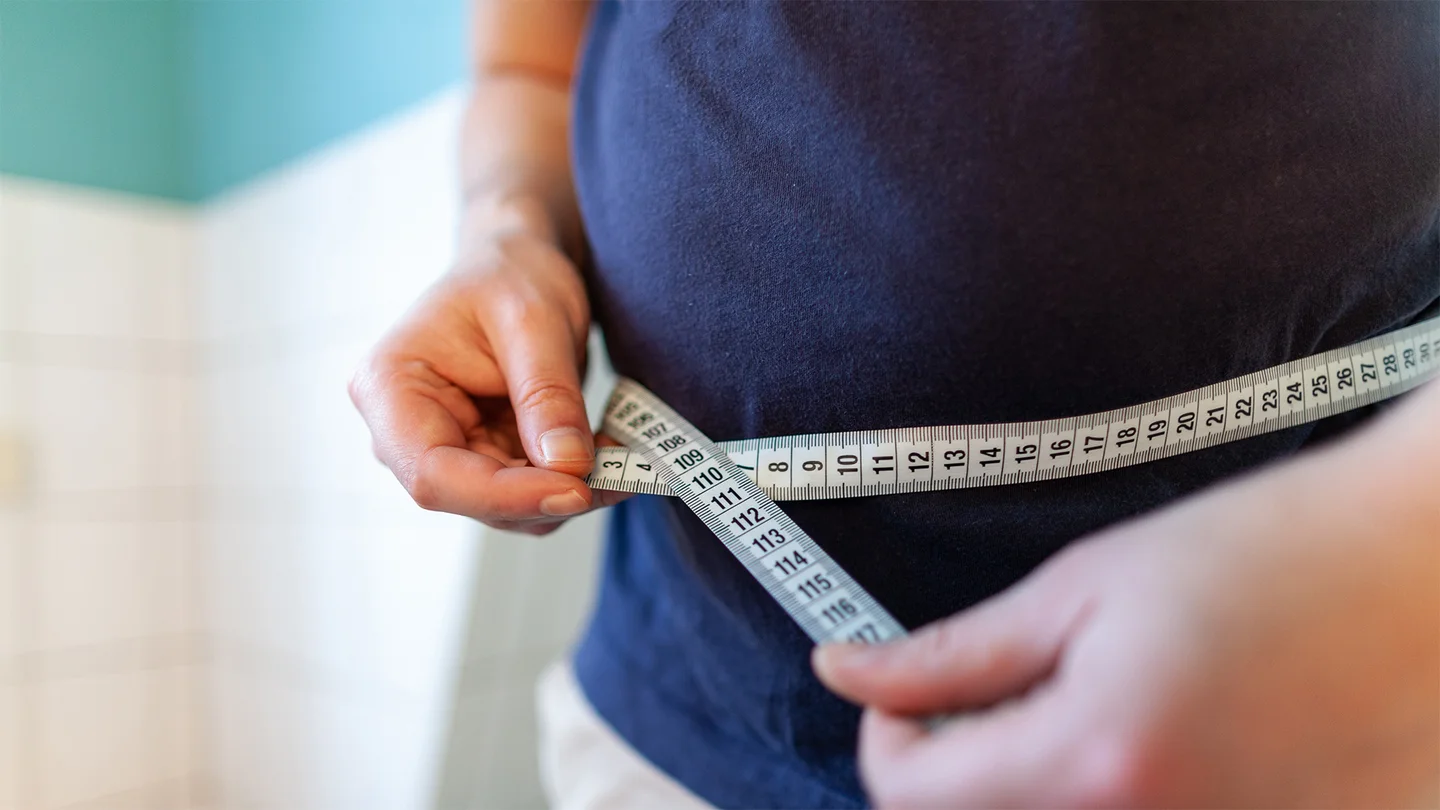
Adults who have a body mass index (BMI) of more than 25 are considered overweight. BMI is a measure of a person’s weight compared to their height – BMI = weight (in kilograms) divided by height (in meters) squared. Different reference valuesapply to children and adolescents due to their growth.
You can use the BMI calculator of the BZgA (Federal Centre for Health Education) to calculate the BMI of children and adolescents (from 1 to 18 years of age) and compare it directly with their growth curves.
You can access the BMI calculator here.
An illness or genetic predisposition can make a person more likely to become overweight, but people usually become overweight as a result of an unbalanced diet or one that is too high in fat and sugar and a lack of exercise.
A BMI of more than 30 means that the body’s fat content is much too high. This is then called obesity or “adiposity”.
Being overweight and especially obese can increase the risk of developing certain diseases and sometimes significantly reduce a person’s quality of life.
Important: Those who are overweight should on no account go on crash diets in order to lose weight. Doctors, trained nutritionists, therapists and support groups offer professional advice and support.
For further information, visit the website of the Deutsche Adipositas Gesellschaft (DAG) (German Association for the Study of Obesity).
Being overweight can increase the likelihood of developing certain diseases
Diets and new approaches to nutrition are among the most common Internet searches. The reason for this is that many people in Germany, including a large number of children and adolescents, are very overweight and are trying to lose weight. Two-thirds of men (67%) and half of women (53%) in Germany are overweight. A quarter of adults (23% of men and 24% of women) are very overweight (obese).

Striving to reach and maintain a normal weight is always a healthy goal. Being overweight disrupts the functioning of the fat cells and their information exchange with other cell types in the organs. This not only leads to further weight gain, but also increases the risk of developing cardiovascular diseases, diabetes mellitus and joint and musculoskeletal problems.
The healthy choice: a balanced diet and exercise
The main cause of people becoming overweight is consuming more calories than are needed or burned.
But simply eating less, going on crash diets or switching to a low-calorie, nutrient-poor diet is not the answer. Losing weight in a healthy way is more about eating better and consuming fewer unhealthy fats, less sugar, fast food, pasta, white bread and ultra-processed food such as ready meals.
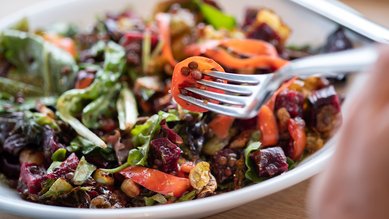
Freshly prepared meals with lots of vegetables and high-fiber ingredients such as whole grain products and pulses are not only much healthier, but also keep people fuller for longer and contribute significantly to boosting fat burning and achieving and maintaining their ideal weight. The choice of what to drink also plays a role, as alcohol or sugary juices and carbonated drinks contribute significantly to weight gain.
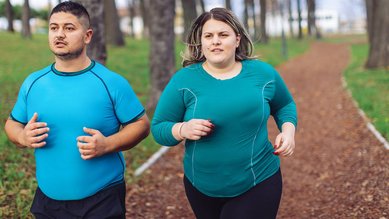
Another factor making people more likely to become overweight is lack of exercise. Our way of life has changed in the past decades – we now spend more time sitting and standing than moving around, especially at work. This means that our bodies are often not moving enough to burn excess calories. The good news for couch potatoes is that introducing even a little exercise every day (such as climbing the stairs, walking etc.) can make a big difference. As a rule of thumb, everyone should ideally take 10,000 steps a day.

Good tips for ensuring more exercise in everyday life:
- Take your bike instead of the car or take the stairs instead of the elevator as often as possible.
- If you use public transport, get off one or two stops earlier and walk the rest of the way on foot whenever you can.
- Walk – half an hour a day can make a big difference.
- Combine the useful with the beautiful – a walk or a bike ride at the weekend, playing rough and tumble with the kids, swimming in a lake in summer, climbing or swimming in an indoor pool in winter.
If people want to exercise regularly, they shouldn’t be afraid to try out a few different things to find something that they really enjoy and that fits into their everyday life in the long term. A welcome side effect of regular exercise is that it not only burns calories, but also boosts mood and self-confidence, which generally improves quality of life and can also be beneficial for a healthy diet.
Overweight: identifying causes, changing unhealthy habits
There are various reasons why people become overweight. For some, eating is a reward for goals achieved. For others, stress or a lack of sleep lead to an increased level of insulin, which causes the body to break down less fat. In such cases, it is important for people to recognize their triggers and make sure that they get more rest and reduce their stress, for example.
But habits often play a role, too. People often become accustomed to eating convenient fast food due to a lack of time or because they have “always” eaten this way. The good news is that people can gradually break out of their behavior patterns. Many people are surprised when they discover how straightforward healthy cooking can be and how good well-balanced, low-fat dishes can taste.
Healthy eating – tackling overweight one step at a time
Cutting out certain foods or making radical changes in diet from one day to the next are not very sensible approaches, especially as they usually lead to relapses or the well-known yo-yo dieting. People should take time and gradually switch to a healthier diet without putting too much pressure on themselves.
The following tips may help:
- Keep a food diary: Writing down what you eat gives you an initial overview and provides a foundation for building new habits.
- Eat smaller portions and replace unhealthy snacks such as sweets and high-fat snacks with fruit, vegetables and whole grain products.
- Do your own cooking – prepare simple, healthy dishes and integrate them into everyday life. Vegetables, whole grains and pulses should be essential components.
- Gradually avoid canteen meals or fast food at lunchtime in favor of salads or food that you cooked yourself at home.
- Replace sugary and alcoholic drinks with water, unsweetened teas and highly diluted juices.
Important: Healthy eating shouldn’t be difficult and stressful – it should definitely be fun and enjoyable. It’s best to experiment with new ideas and find out what you can gradually integrate easily into your daily routine and what comes easiest. Only those who take their first cautious steps without feeling forced to do so can learn to appreciate the positive aspects of a new way of life.
What points of contact are available to those who are overweight?
A comprehensive list of support groups, hospitals, doctors, and therapists providing support to those who are overweight or obese is available on the website of AdipositasHilfe Deutschland e.V (Obesity Support Germany).
- Bundesministerium für Gesundheit. Ratgeber zur Prävention und Gesundheitsförderung. 9. aktualisierte Auflage: Januar 2016. Aufgerufen am 14.04.2020.
- Gesundheitsinformation.de. Starkes Übergewicht (Adipositas). Aufgerufen am 08.05.2020.
- IFB Adipositas. Ursachen. Aufgerufen am 07.05.2020.
- Leopoldina, Nationale Akademie der Wissenschaften. Diskussionspapier Adipositas. Aufgerufen am 08.05.2020.
- Robert Koch-Institut. Übergewicht / Adipositas. Aufgerufen am 07.05.2020.
- Robert Koch-Institut. Fact Sheet: Übergewicht und Adipositas bei Erwachsenen in Deutschland. Journal of Health Monitoring 2017 2(2). Aufgerufen am 08.05.2020.
- Übergewicht vorbeugen. Übergewicht bei Kindern und Jugendlichen. Aufgerufen am 20.7.2020.
- UGB Vereine für unabhängige Gesundheitsberatung. Ernährung bei Diabetes, Vollkorn/Vollkornprodukte. Aufgerufen am 08.05.2020.
- UGB Vereine für unabhängige Gesundheitsberatung. Gesund abnehmen mit Vollwerternährung. Aufgerufen am 08.05.2020.
As at: