The emergency data record (NFD)
In an emergency, patients can be given the best medical care if emergency responders and doctors know their most important medical data, for example if they have pre-existing conditions or an implant. The emergency data stored on the electronic medical data card helps in this regard.
At a glance
- On request, people covered by statutory health insurance can have emergency data stored on their electronic medical data card.
- In an emergency, this data can be used to give the person concerned better care.
- Examples of important data include chronic medical conditions, current medication, medication allergies or if the patient has any implants.
- An additional data record can be used to record contact data for relatives and attending doctors as well as information about where important documents such as an advance healthcare directive, lasting power of attorney for health and welfare or organ donor card are stored.
What is the emergency data record?
Whether about pre-existing conditions or prescribed medication, certain information can be crucial in a medical emergency where a rapid response is required. But these details are often not readily available, or only partly available.
This can occur if a patient is unresponsive and is being treated by the emergency services, for example. It is also useful to have instant access to certain medical and personal information in the event of an unplanned visit to an emergency department, hospital or out-of-hours doctor.
In view of the above, people covered by statutory health insurance have the option of storing an emergency data record (Notfalldatendatz or NFD for short) on their electronic medical data card (eGK). Emergency responders and doctors can directly access this data in a medical emergency without losing critical time.
This is particularly useful for people with multiple medical conditions who take several types of medication. It is also useful for people with health conditions that could quickly cause an emergency, for example severe allergies.
What information can be stored for emergencies?
The following information can be stored in the emergency data record on the electronic medical data card:
- diagnoses, for example of chronic conditions such as diabetes or heart disease
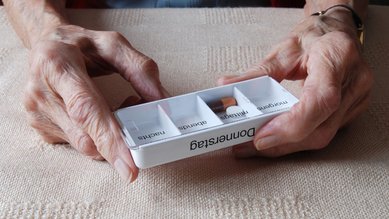
- medication taken regularly
- allergies and intolerances
- medical guidance (for example on implants or a pregnancy)
- contact details for attending doctors and relatives
Interesting fact: In addition to the emergency data, people can also use a further data record in the electronic medical data card to record personal explanations as to where they store their organ donor card, advance healthcare directive and lasting power of attorney for health and welfare.
How can I save an emergency data record to my medical data card?
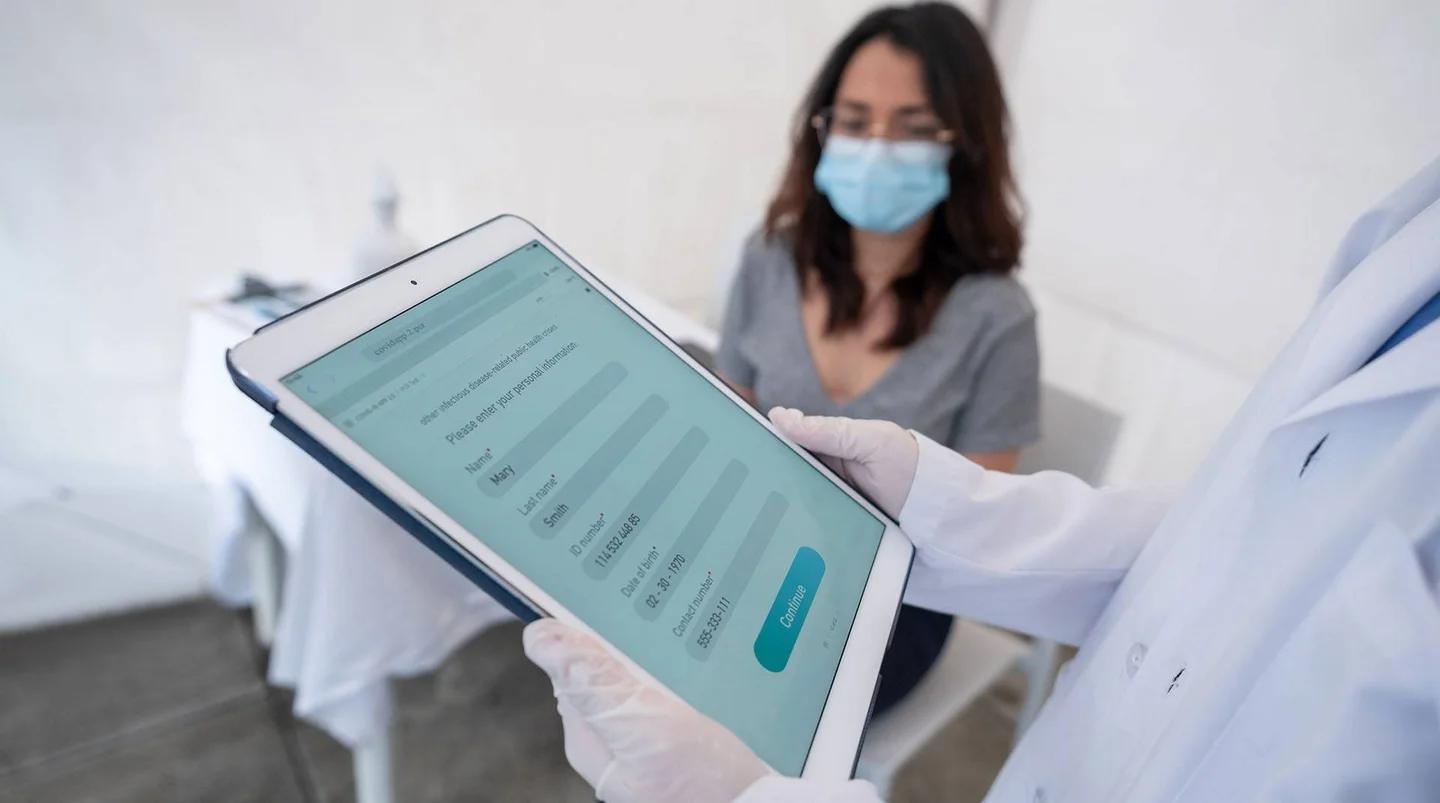
Emergency data records should ideally be created in a medical practice that has a good overview of the patient’s medical history. This is usually the family doctor’s practice. The insured person’s consent is required.
Once the data record has been created and saved in the practice’s management system, it is signed electronically and stored on the electronic medical data card’s memory chip.
The patient can receive a hard copy of the emergency data record on request.
It is important to keep the stored data as complete and up to date as possible so that the data record is actually useful in the event of an emergency. The emergency data record can therefore be updated by all attending doctors and physiotherapists. These should update the data record whenever they can contribute information about the insured person that could be useful in an emergency.
Emergency data record: storage with consent only
Insurance holders can independently decide whether to have an emergency data record stored on their medical data card. The data may only be edited with their consent and must be deleted on their request.

The data record may only be read in the event of an emergency, in relation to medical treatment or to update it.
A log is stored on the electronic medical data card of who has viewed or edited the emergency data when and why.
No PIN is required for the emergency data record. However, it can be additionally protected by being secured with the PIN associated with the medical data card. You will receive this PIN from your health insurance provider.
In an emergency, emergency responders or other people with an electronic healthcare professional ID can access the data if it is not possible to obtain the patient’s consent. This can be the case if the patient is unconscious, has speech problems, is unable to remember information or can only provide incomplete information, for example. In such situations, no PIN needs to be entered even if the data record is PIN protected.
- Gematik GmbH. Notfalldaten. Aufgerufen am 26.11.2024.
- Kassenärztliche Bundesvereinigung KdöR. KBV – Notfalldatenmanagement. Aufgerufen am 26.11.2024.
- Notfalldaten auf der Gesundheitskarte. Leitfaden für Ärzte, Zahnärzte und medizinisches Fachpersonal. Aufgerufen am 26.11.2024.
- Kassenärztliche Bundesvereinigung KdöR. NOTFALLDATENMANAGEMENT. Anwendungen in der TI. Aufgerufen am 26.11.2024.
- Institut für Zukunftsstudien und Technologiebewertung. Fachanwendung Notfalldaten-Management (NFDM). Risikoanalyse. Aufgerufen am 26.11.2024.

Reviewed by the German National Agency for Digital Medicine (gematik)
As at: