Yellow fever
ICD codes: A95 What are ICD codes?
People can contract yellow fever as a result of mosquito bites in tropical regions of Africa and South America. An infection causes fever and a yellowing of the skin (jaundice) due to liver damage. The disease is fatal for many people. People can protect themselves from infection by getting a vaccine.
At a glance
- Yellow fever occurs in tropical regions of Africa and South America, as well as some Caribbean islands.
- The disease is caused by the yellow fever virus and is spread by mosquitoes.
- With yellow fever, people may simply experience flu-like symptoms. However, it can also lead to a severe and frequently fatal inflammation of the liver.
- There is no medication for targeted treatment of the viral infection.
- Yellow fever can be prevented with a vaccine. Vaccination is a prerequisite for entering countries where the yellow fever virus is widespread.
Note: The information in this article cannot and should not replace a medical consultation and must not be used for self-diagnosis or treatment.


What is yellow fever?
Yellow fever is a tropical infectious disease. Typical features of an infection are fever and yellow discoloration of the skin (jaundice). The disease is caused by a virus that is spread by mosquitoes.
Yellow fever may be mild or very severe and even fatal. Around half of all people who suffer a severe yellow fever infection will die as a result.
Vaccination offers protection against infection. However, the vaccine is not suitable for everyone. It can cause severe side-effects in babies and older people in particular.
Getting a vaccine is a requirement for entry into some countries – in some cases even if the traveler is only passing through in transit. This requirement is intended to protect travelers from the disease and to avoid yellow fever viruses being “imported” into other countries and spreading there.
As the rules occasionally change, it is advisable to check the current requirements before a trip.
The latest information about valid entry requirements is available on the website of the German Federal Foreign Office (Auswärtiges Amt).
What are the symptoms of yellow fever?
A yellow fever infection is usually mild and may not even cause any symptoms. The first signs of illness appear 3 to 6 days after infection. The disease usually develops in two stages.
In the first stage, people experience a flu-like illness, with a high temperature, chills, headache and limb pain, as well as nausea and vomiting. They may also have nosebleeds and their heartbeat may be noticeably slowed. The symptoms recede after 3 to 4 days and most people then feel well again.
Around 15 percent of people infected with yellow fever experience a second, severe stage of the disease. In some cases, there is a brief improvement in symptoms, before their temperature rises again significantly and their heart rate slows.
At this stage, hemorrhages (bleeding) may occur in the mouth, nose, digestive tract, skin and other organs. When patients experience fever and hemorrhages, doctors refer to this as hemorrhagic fever.
The skin takes on a yellowish color as a result of the yellow fever virus causing damage to the liver. This is also referred to as jaundice or icterus. The kidneys and brain may also suffer damage.
How do people get yellow fever?
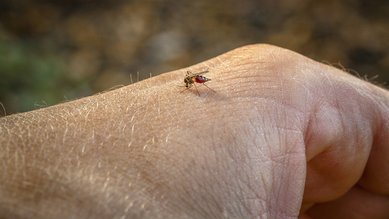
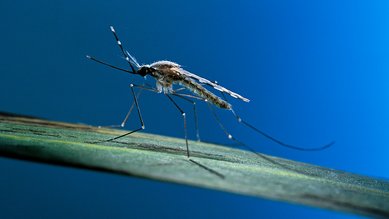
Yellow fever is caused by the yellow fever virus. The only way for people to contract the disease is through a mosquito bite. The main types of mosquito responsible for spreading the yellow fever virus are Aedes mosquitoes and Haemagogus mosquitoes.

The virus occurs in various primates in Africa and South America. In the rain forest, mosquito bites can serve to carry the virus from primates to humans. This is known as jungle yellow fever.
If people who have the virus in their blood travel back to urban areas, the virus can be passed to mosquitoes living there, who pass it on to humans. This is known as urban yellow fever.
If the virus encounters large numbers of urban dwellers who don’t have immunity against it, mosquitoes can transmit the virus easily so that the infection spreads rapidly and yellow fever outbreaks may occur.
Where and how commonly does yellow fever occur?
Yellow fever occurs in tropical regions of Africa and South America, as well as some islands in the Caribbean. In South America, the disease primarily occurs in Bolivia, Brazil, Ecuador, Columbia and Peru. Asia currently remains free of yellow fever.
The World Health Organization (WHO) estimates that up to 200,000 yellow fever infections occur each year, with around 60,000 cases proving fatal.
A preventive vaccine offers protection against the disease and is a requirement for entry into some countries. As a result, yellow fever is relatively rare among people traveling back from affected regions.
The most recent cases in Germany occurred in 2018, when three unvaccinated individuals returned from Brazil with the virus. One of these people died.
How can yellow fever be prevented?
There is a vaccine to prevent yellow fever. It consists of a live vaccine containing weakened yellow fever viruses.

Which vaccine recommendations apply in Germany?
The Standing Committee on Vaccination in Germany (Ständige Impfkommission) of the Robert Koch Institute recommends vaccination for all people traveling to yellow fever areas. The vaccine can only be given at authorized yellow fever vaccination centers.
While the World Health Organization (WHO) regards a single vaccine dose as sufficient, STIKO also recommends a single booster vaccine if the initial dose was administered over 10 years ago. This type of booster may be relevant during a period of residence in or before a trip to a yellow fever area.
A booster vaccine may be particularly useful for people whose immune response may be weakened. This applies in particular to:
- children who were younger than 2 when they received their first vaccine
- women who were vaccinated during pregnancy
- people with a HIV infection
- people who were vaccinated against measles, mumps and rubella at the same time that they received their yellow virus vaccine
You can search for yellow fever vaccination centers using the doctor search on the website of the German Society for Tropical Medicine, Travel Medicine and Global Health.
What are the possible side-effects of vaccination?
The yellow virus vaccine rarely causes side-effects. However, babies in particular are susceptible to developing serious complications, such as inflammation of the brain. Vaccination can also cause a potentially fatal yellow fever infection to develop. As well as babies, those aged over 60 are at an increased risk of serious side-effects from the vaccine. For this reason, people in senior age should always consult their doctor before getting vaccinated.
When is vaccination not recommended?
The vaccine can cause allergic reactions in people who have an albumen allergy. Therefore, vaccination is not recommended for anyone with a severe allergy.
The following groups are also advised to avoid vaccination:
- babies under 6 months
- breastfeeding mothers
- people with HIV/AIDS
- people with a weakened immune system
- people in advanced stages of cancer
- people with diseases of the thymus gland, which is important for helping immune cells to reach maturity and function properly
What other preventive measures can be taken?
In addition to vaccination, actively avoiding mosquito breeding sites is another important measure to prevent the spread of yellow fever. In particular, in large urban areas where the virus can spread quickly, extensive efforts are made to deter mosquitoes.
It is also helpful to take general measures to protect oneself against mosquito bites – for example:
- wear long clothing
- use mosquito sprays (repellents)
- sleep under a mosquito net
How is yellow fever diagnosed?
Any fever suffered by a person who is currently staying or recently stayed in a yellow fever area could potentially be yellow fever.
It could also be caused by other tropical diseases, such as malaria or dengue fever, which initially have similar symptoms and can have fatal outcomes if left untreated.
Important: Anyone experiencing fever after visiting a tropical region should consult a doctor immediately. The earlier the cause is detected, the more effectively the person can be treated and severe complications prevented.
A PCR test can detect the virus’s genetic material in a lab. Other tests enable the detection of specific antibodies in the blood. In addition, certain blood values typically change as the disease progresses – for example, the number of white blood cells, blood clotting and liver and kidney values.
Yellow fever is a disease that must be reported to the public health authorities. The local health authority must be notified even if a yellow fever infection is merely suspected.
How is yellow fever treated?
No medication exists to combat yellow fever viruses directly. It is therefore important to detect the disease at an early stage and to have the patient admitted to a hospital that offers intensive care treatment options.
There, doctors can alleviate symptoms and support vital bodily functions as far as is possible. However, the mortality rate is still high, with over half of all people who develop a severe form of yellow fever dying from their illness.
- Deutsche Gesellschaft für Tropenmedizin, Reisemedizin und Globale Gesundheit e.V. (DTG). Übersicht der Reiseimpfungen: Gelbfieber. Aufgerufen am 27.05.2022.
- Robert Koch-Institut (RKI). Epidemiologisches Bulletin. 32/2022.
- Robert Koch-Institut (RKI). Reiseassoziierte Krankheiten 2018. Epidemiologisches Bulletin Nr. 48/2019.
- Robert Koch-Institut (RKI). RKI-Ratgeber: Gelbfieber. Stand: April 2018. Aufgerufen am 27.05.2022.
- Robert Koch-Institut (RKI). Schutzimpfung gegen Gelbfieber: Häufig gestellte Fragen und Antworten. Stand: August 2022. Aufgerufen am 10.08.2022.
- Simon LV, Hashmi MF, Torp KD. Yellow Fever. [Updated August 14, 2021]. In: StatPearls [Internet]. Treasure Island (FL): StatPearls Publishing; 2022 Jan-. Aufgerufen am 27.05.2022.
- Weltgesundheitsorganisation (WHO). International Travel and Health – 01 July 2020. 07.2020.

Reviewed by the German Society for Tropical Medicine, Travel Medicine and Global Health (Deutsche Gesellschaft für Tropenmedizin, Reisemedizin und Globale Gesundheit e.V., DTG)
As at: