Athlete’s foot
ICD codes: B35.1 B35.3 What are ICD codes?
Athlete’s foot (tinea pedis) can itch, crack the skin, and sometimes cause a toenail infection. Read on to find out how athlete’s foot develops, how to help prevent it, and how to treat it.
At a glance
- Almost everyone gets athlete’s foot at some point in their life.
- Athlete’s foot is usually caused by skin fungi.
- Athlete’s foot can be effectively treated with creams.
Note: The information in this article cannot and should not replace a medical consultation and must not be used for self-diagnosis or treatment.
What is athlete’s foot?
Athlete’s foot (tinea pedis) can redden or crack the skin and cause itchiness. The fungus often sets in between the toes. Athlete’s foot can be effectively treated with over-the-counter creams, gels or sprays. Keeping the feet dry can prevent athlete’s foot.

What are the signs of athlete’s foot?
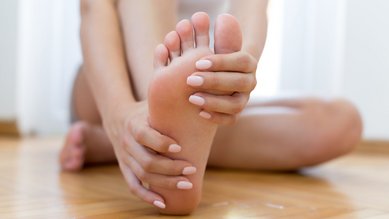
Athlete’s foot particularly flourishes between the baby toe and the toe next to it. The fungus can cause reddening and cracking of the skin. Typical symptoms include the skin there becoming itchy and flaky. It also turns white in color and feels thicker or swollen.
If the fungus spreads across the entire sole of the foot, this is known as a moccasin athlete’s foot or moccasin tinea pedis. It causes the soles, heels, and edges of the feet to become dry, flaky, and possibly itchy. Moccasin athlete’s foot may be confused with other conditions such as neurodermatitis.
In one rare form of athlete’s foot, an acute inflammation occurs, with reddening of the skin and puss-filled bumps known as pustules. The skin may then feel itchy and tight.
What causes athlete’s foot?
Athlete’s foot is most commonly caused by skin fungi (dermatophytes). These search out cracks or injured areas of the skin, for example, and penetrate the top skin layer.
Important: Skin fungi like warm, moist environments, as these allow them to spread. The fungal spores are transmitted by direct skin contact or flakes of skin. This occurs if bare skin touches infected flakes, for example, in communal showers or at the swimming pool.
The fungal spores can also cause fungal nail infections. Skin fungi like feet because their top skin layer contains high levels of keratin – a protein that they feed on. Furthermore, it is often warm and moist in shoes.
The risk of athlete’s foot can be increased by:
- allergies
- sweaty feet
- neurodermatitis
- a weakened immune system, for example, due to a serious illness or long-term medication that weakens the body’s defenses
- circulation problems in the legs, for example, due to diabetes or constricted blood vessels
- jobs in which people have to wear sturdy footwear, such as safety or rubber boots
- sports like running or swimming
- widespread athlete’s foot within the family
How common is athlete’s foot?
Athlete’s foot is widespread: studies indicate that it affects 3 to 15 percent of the population. It is more common in older people and in men.
How does athlete’s foot develop?
Athlete’s foot does not usually go away of its own accord. If left untreated, the fungus can spread and infect the toenails (fungal nail infection). Athlete’s foot rarely spreads to other parts of the body such as the hands. It is not dangerous to people who are otherwise healthy.
In very rare cases and only if the fungal infection is severe, a bacterial infection may also develop.
How can athlete’s foot be prevented?
The effectiveness of individual measures in protecting against athlete’s foot has not yet been fully researched.
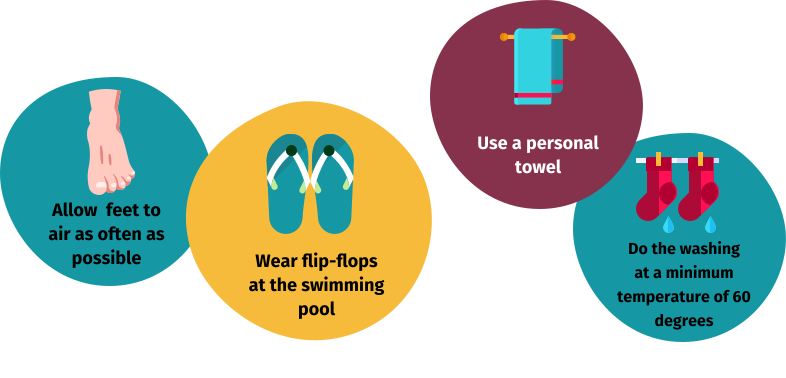
The following measures can help to prevent athlete’s foot:
- thoroughly drying the feet after showering, swimming or having a bath
- wearing flip-flops in changing rooms, communal showers and swimming pools
- wearing shoes that are not too tight and ideally let the feet breathe
- taking shoes off as often as possible and changing socks daily
- not sharing towels, socks or shoes
- washing towels, socks and bedding at 60 degrees Celsius or above
- when washing laundry at lower temperatures, use additional agents such as hygiene rinses
How is athlete’s foot diagnosed?
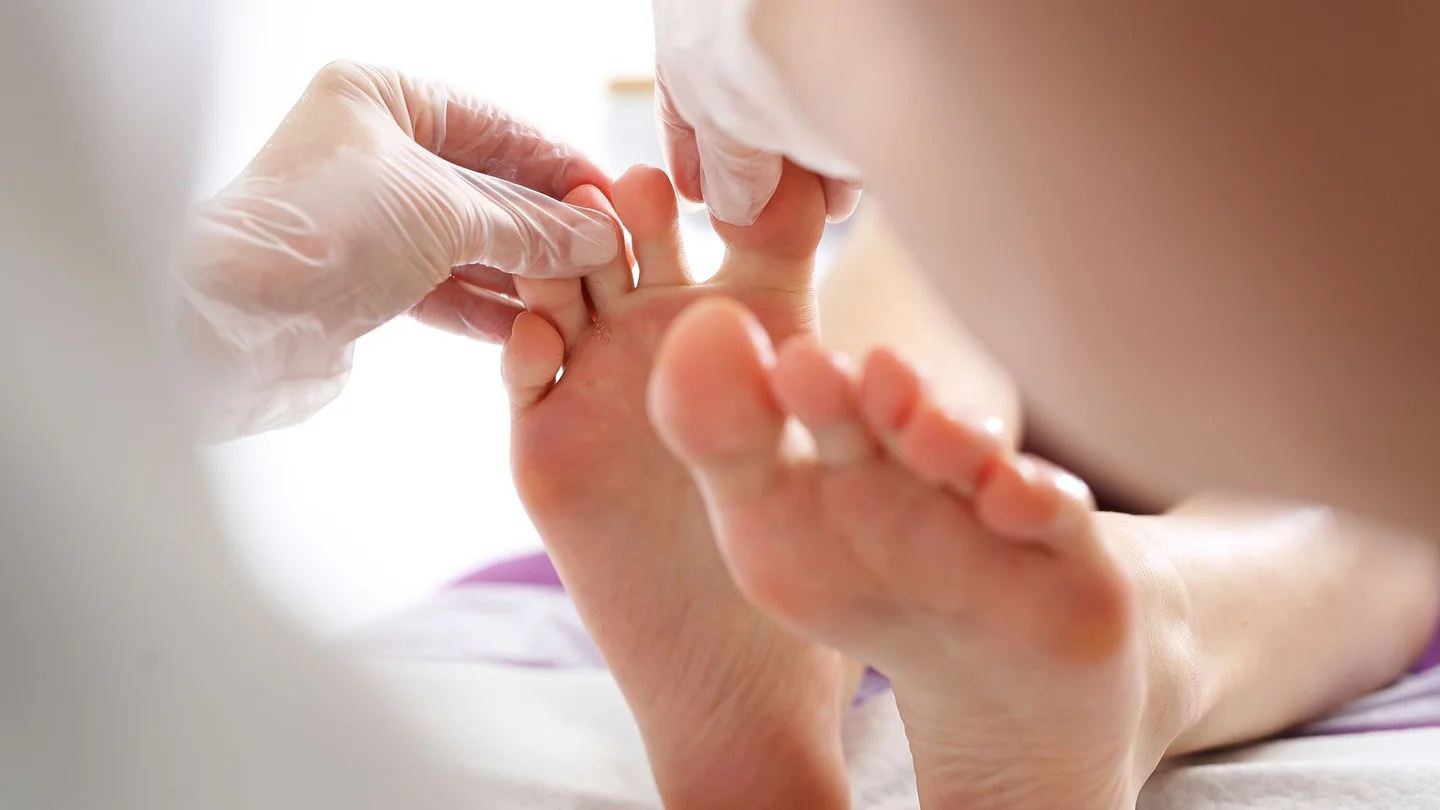
A doctor examines the affected areas of skin and asks about the symptoms.
A skin sample is also taken to rule out other skin conditions. This is checked for fungal spores in a laboratory. The test results are usually available the next day.
Results can take longer (about 3 weeks) if a test is needed to determine the precise type of pathogen. This is because a fungal culture has to be grown in a laboratory. Such tests are rarely necessary.
How can athlete’s foot be treated?
Sprays, gels and creams with active ingredients for combating athlete’s foot can be purchased over the counter in pharmacies. These active ingredients kill the fungi or prevent them from spreading.
The external treatment of athlete’s foot is generally effective and successful. In rare cases, remedies may prove ineffective. Tablets can help in this instance.
The effectiveness of home remedies such as herbal foot baths or tea tree oil has not been scientifically proven.
Further information on the topic of athlete’s foot as well as its treatment can be found at gesundheitsinformation.de.
- Crawford F, Hollis S. Topical treatments for fungal infections of the skin and nails of the foot. Cochrane Database Syst Rev 2007; (3): CD001434. Aufgerufen am 01.07.2024
- Deutsche Dermatologische Gesellschaft (DDG), Deutschsprachige Mykologische Gesellschaft (DMykG). Tinea der freien Haut (S1-Leitlinie, in Überarbeitung). AWMF-Registernr.: 013-002. 2008.
- Kovitwanichkanont T, Chong AH. Superficial fungal infections. Aust J Gen Pract. 2019 Oct;48(10):706-711. Aufgerufen am 01.07.2024
- Moriarty B, Hay R, Morris-Jones R. The diagnosis and management of tinea. BMJ 2012; 345: e4380. Aufgerufen am 01.07.2024

In cooperation with the Institute for Quality and Efficiency in Health Care (Institut für Qualität und Wirtschaftlichkeit im Gesundheitswesen – IQWiG).
As at: